Categories
Hearing Devices Science & Technology

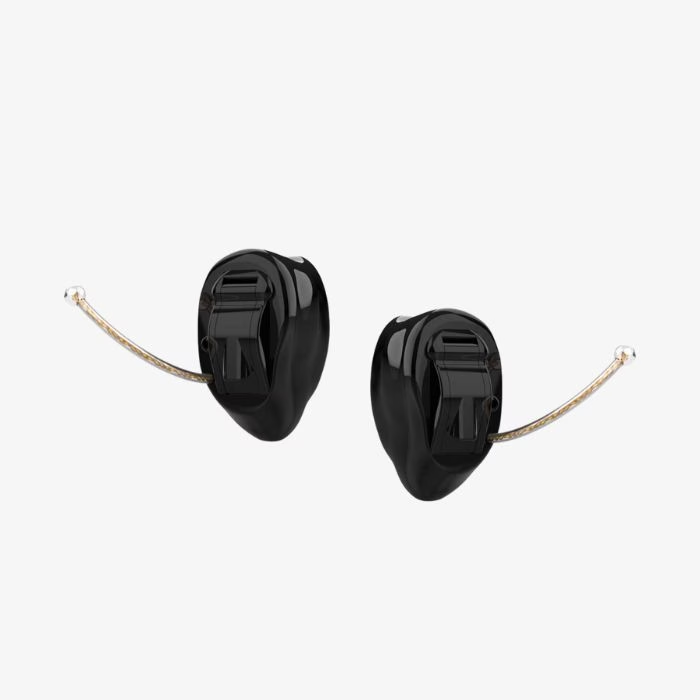
Signia Charge&Go IX CIC: Experience Silk Technology

Last Updated on 11th May 2026 by Dane Lozano

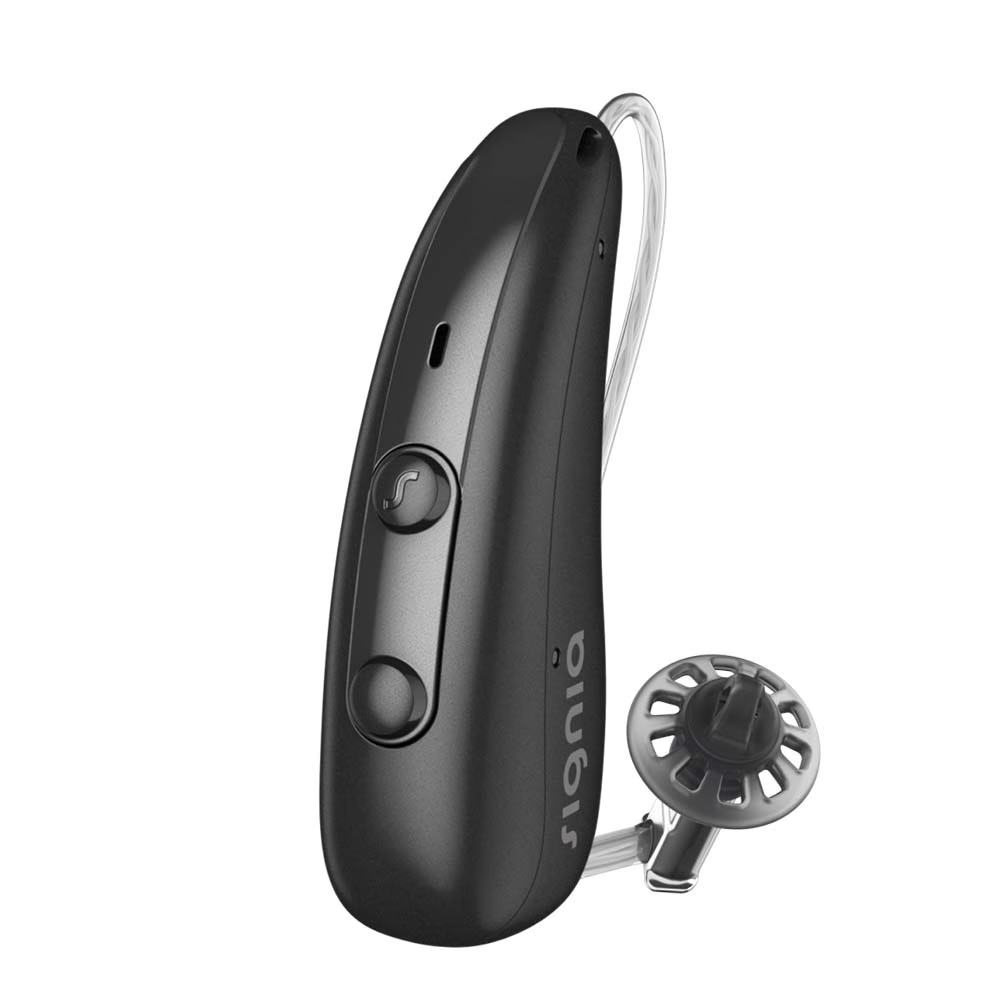
The Signia Silk Charge&Go IX stands out as one of the most discreet rechargeable hearing aids available, meticulously designed to offer advanced speech enhancement and a comfortable, instant-fit experience in a nearly invisible completely-in-canal (CIC) style. Built on the innovative Integrated Xperience (IX) platform, the Silk Charge&Go IX employs RealTime Conversation Enhancement technology, which significantly improves speech comprehension during conversations while minimising distracting background noises.

Unlike many traditional custom CIC hearing aids, the Silk Charge&Go IX utilises soft, instant-fit sleeves, enabling many users to wear these devices straight away without the prolonged wait associated with custom earmould production.

Price: Typically starting from approximately £1,795.00 per aid, depending on the technology level, fitting package, and included accessories.


What Makes the Signia Silk Charge&Go IX a Leading Choice?

The Signia Silk Charge&Go IX is a cutting-edge rechargeable completely-in-canal (CIC) hearing aid designed for individuals seeking discreet, high-quality hearing support enhanced by modern AI-powered sound processing capabilities.

Utilising the Integrated Xperience platform, the Silk Charge&Go IX continuously analyses conversations and ambient sounds in real-time, helping to enhance speech understanding in challenging and noisy environments.

This innovative device is particularly suited for users who prioritise:

  • Near-invisible hearing aids
  • Convenience of rechargeable technologies
  • Comfortable, instant-fit wearability
  • Clarity in speech during conversations
  • Discreet support for everyday hearing needs

Explore the Key Features of Signia Silk Charge&Go IX

Experience RealTime Conversation Enhancement

The IX platform is designed to continuously monitor and track speech during conversations, adjusting sound processing in real time to significantly boost clarity, especially in noisy settings.

Enjoy the Near-Invisible CIC Design

The Silk Charge&Go IX is crafted to sit deep within the ear canal, making it one of the most discreet rechargeable hearing aids available on the market today.

Benefit from Instant-Fit Soft Sleeves

In contrast to many custom CIC hearing aids, the Silk IX features soft silicone sleeves, allowing for quick fittings without the need for ear impressions or custom shells.

Utilise the Rechargeable Battery System

The portable charging case ensures all-day battery performance and provides additional charging capabilities while travelling, enhancing convenience for users.

Leverage Signia Assistant AI Support

The AI-driven Signia Assistant is designed to help personalise hearing settings, optimising listening performance based on the user’s unique requirements over time.

Access Smartphone App Compatibility

Users can easily adjust settings, personalise listening programmes, and manage hearing aid controls seamlessly using the Signia app.

Experience Comfortable Everyday Wear

The lightweight CIC design combined with soft sleeves is engineered to enhance comfort and stability during prolonged daily use, ensuring that users enjoy wearing their hearing aids.

Appreciate the Discreet Matte Finish

Designed with a matte colour finish, the Silk IX significantly reduces visibility and reflections, contributing to its discreet and unobtrusive appearance.


Discover the Benefits of Signia Silk Charge&Go IX Hearing Aids

Enjoy a Nearly Invisible Appearance

Users often choose the Silk IX due to its CIC design, which offers an extremely discreet profile while still incorporating modern rechargeable technology.

Achieve Better Speech Clarity in Noisy Environments

The RealTime Conversation Enhancement feature assists users in following conversations more naturally, especially in bustling places such as restaurants, cafés, meetings, and social gatherings.

Experience Easy Instant Fitting

The use of instant-fit sleeves facilitates faster fittings compared to fully custom hearing aids, allowing users to enjoy their devices almost immediately.

Reduce Listening Fatigue

With automatic sound optimisation, the Silk IX helps to alleviate strain during extended conversations and in busy listening situations, enhancing the overall user experience.

Enjoy Rechargeable Convenience

The portable charging case eliminates the need for disposable batteries, supporting reliable all-day usage and increased convenience for users.

Benefit from Comfortable Daily Wear

The lightweight design of the Silk IX ensures that many users can wear their hearing aids comfortably throughout the day without discomfort.


What Are Real User Experiences with the Signia Silk Charge&Go IX?

Many users commend the Signia Silk Charge&Go IX for its discreet design and enhanced comfort compared to traditional behind-the-ear hearing aids. Additionally, users report exceptional speech clarity in social settings and appreciate the convenience of the rechargeable feature.

Some users have noted that the Silk IX does not currently support full Bluetooth media streaming due to its compact CIC size, although app connectivity remains a supported feature.

Additionally, several reviewers suggest that professional fine-tuning can significantly maximise speech clarity performance in noisy environments, further enhancing the user experience.


Who Can Benefit Most from the Signia Silk Charge&Go IX?

The Signia Silk Charge&Go IX may be particularly well-suited for:

  • Individuals seeking near-invisible hearing aids
  • Adults who prefer CIC hearing aid designs
  • People desiring rechargeable hearing aids without the need for custom earmoulds
  • Users facing challenges with speech clarity in moderately noisy environments
  • Individuals prioritising a discreet appearance and overall comfort

A Comprehensive Overview of Signia Silk Charge&Go IX

The Signia Silk Charge&Go IX harmoniously combines discreet CIC styling, the convenience of rechargeable technology, and advanced AI-powered speech enhancement, all encapsulated within one of Signia’s most compact hearing aid designs. By leveraging the Integrated Xperience platform, it enables users to enjoy clearer conversations and comfortable everyday hearing support, all while maintaining a nearly invisible aesthetic.

The post <div>Signia Silk Charge&Go IX CIC</div> appeared first on Healthcare Marketing Service.

Categories
Hearing Devices Science & Technology

Omega AI 24 CIC: The Starkey Hearing Innovation

Last Updated on 7th May 2026 by Dane Lozano

Explore the Starkey Omega AI 24 CIC Hearing Aids: Advanced Technology for Discreet Hearing Solutions

The Starkey Omega AI 24 CIC is meticulously crafted for individuals who desire top-tier hearing technology in a subtle, custom-fitted package. This Completely-In-Canal (CIC) hearing aid is designed to sit comfortably within the ear canal, seamlessly blending advanced AI-driven sound processing with an almost invisible profile, ensuring all-day confidence and enhanced hearing clarity even in challenging environments. Its discreet design means users can engage socially without feeling self-conscious, making it an ideal choice for those who value both functionality and aesthetics.

What Is the Starkey Omega AI 24 CIC and How Does It Work?

The Starkey Omega AI 24 CIC is a custom-moulded hearing aid that harnesses Starkey’s most recent artificial intelligence advancements alongside the innovative G3 Neuro Processor technology. This hearing aid employs an always-active Deep Neural Network (DNN) to enhance speech clarity while simultaneously diminishing disruptive background noise in real time. Its unique design positions it deeper within the ear canal compared to traditional options, rendering it one of the most discreet hearing aids available on the market today, allowing users to communicate freely without visible devices.

Discover the Key Features of Starkey Omega AI 24 CIC Hearing Aids

Experience Advanced AI Sound Processing for Unmatched Clarity

The Omega AI 24 CIC continuously evaluates your acoustic environment, automatically adjusting its settings to facilitate clearer conversations. Starkey’s AI technology is designed to replicate the brain’s auditory cortex function, providing a more natural sound experience. This ensures that users can engage in conversations effortlessly, even in dynamic settings, making it an excellent choice for those who lead active social lives.

Utilise Deep Neural Network (DNN) Technology for Superior Noise Management

The integrated DNN system is adept at distinguishing speech from background noise in bustling locations such as restaurants, cafés, family gatherings, and shopping centres. This capability significantly reduces listening fatigue, allowing for improved comprehension and engagement throughout the day. Users can enjoy conversations without the strain of competing sounds, enhancing their overall experience.

Benefit from the Discreet CIC Design for Enhanced Comfort

The Completely-In-Canal design of the hearing aid ensures it remains highly discreet and comfortable for a wide range of users. By fitting snugly within the ear canal, it is far less conspicuous than traditional behind-the-ear models. This design not only caters to aesthetic preferences but also enhances user comfort and convenience, making it an ideal choice for those who prefer subtlety.

Enjoy Custom-Fit Comfort Tailored to Your Ears

Each Omega AI 24 CIC hearing aid is meticulously custom-made from precise impressions of your ears, ensuring a secure and personalised fit. This customisation significantly improves comfort, sound quality, and retention, allowing users to wear their devices all day without discomfort. A well-fitted hearing aid enhances overall user satisfaction, leading to a more enjoyable hearing experience.

Take Advantage of Wireless Connectivity for Enhanced Functionality

This device supports a range of wireless features and is compatible with a variety of Starkey accessories, including remote microphones and TV streamers. This connectivity allows users to integrate their hearing aids seamlessly into their daily lives, making it easier to enjoy media and conversations without cumbersome setups.

Maximise Control with My Starkey App Compatibility

With the My Starkey app, users can effortlessly manage volume, switch between programs, locate misplaced hearing aids, and receive remote support. This app provides a convenient way to adjust settings without needing to visit an audiologist, making hearing support more accessible and user-friendly, especially for those who prefer to manage their devices independently.

Activate Edge Mode+ for Optimised Hearing Performance

Starkey’s Edge Mode+ leverages artificial intelligence to enhance hearing performance in particularly challenging listening situations at the touch of a button. This feature is invaluable for users who require improved speech understanding amidst significant background noise, empowering them to engage more confidently in conversations.

Select from Multiple Technology Levels to Suit Your Needs

The Omega AI CIC is offered in various technology tiers, including 24, 20, and 16. The 24 level delivers the most advanced features for speech enhancement and noise management, catering to users who seek the highest quality in their hearing devices. This tiered approach allows users to choose a model that best fits their individual hearing needs and lifestyle.

Explore the Benefits of Starkey Omega AI 24 CIC Hearing Aids

Achieve Better Speech Clarity in Noisy Environments

A primary advantage of the Omega AI 24 CIC is its ability to enhance conversation comprehension even in noisy settings. The continuous AI processing effectively diminishes distractions, allowing users to focus on speech. Starkey claims significant improvements in speech identification compared to previous models, making these hearing aids particularly beneficial for those who often find themselves in bustling surroundings.

Experience Reduced Listening Fatigue for Everyday Comfort

Listening can become tiring for individuals with hearing loss, causing exhaustion over time. The Omega AI platform is specifically designed to minimise listening strain, creating a more natural auditory experience throughout the day. This reduction in fatigue allows users to engage more fully in conversations and social interactions without feeling overwhelmed or drained.

Enjoy a More Natural Hearing Experience with Custom Design

The custom CIC design utilises the natural shape of the ear, which enhances the authenticity of the listening experience while maintaining a low profile. This thoughtful design ensures that users can enjoy rich sound quality without sacrificing discretion, making it an appealing choice for those who value both performance and aesthetics.

Increase Confidence in Social Situations with Discreet Hearing Aids

Many wearers prefer CIC hearing aids as they are challenging to detect, which can significantly boost confidence in various settings, including work, social gatherings, and family events. The discreet nature of the Omega AI 24 CIC allows users to participate fully in conversations without the anxiety of visible hearing devices, fostering a more relaxed social atmosphere.

Enjoy Convenient Smartphone Control for Effortless Management

The My Starkey app empowers users with greater control over their hearing experience, eliminating the need for frequent clinic visits for adjustments. The app also includes remote support features, making it easier for users to receive follow-up care and adjustments as needed, which enhances their overall experience and satisfaction with their hearing aids.

Find the Perfect Hearing Solution for Active Lifestyles

The compact design and sophisticated processing of the Omega AI 24 CIC make it an excellent choice for individuals seeking discreet hearing support while leading active and socially engaged lives. Its robust features ensure that users can fully immerse themselves in their activities without the worry of cumbersome or visible hearing aids interfering with their lifestyle.

Read Real-World User Feedback on Starkey Omega AI 24 CIC

Users frequently report exceptional speech clarity and impressive noise reduction capabilities, particularly during conversations. Some feedback indicates that the AI processing may initially feel overly sensitive until adjustments are made by an audiologist. Therefore, many users recommend collaborating closely with a hearing care professional to tailor the programming for an optimally natural auditory experience.

Who Is the Starkey Omega AI 24 CIC Best Suited For?

The Starkey Omega AI 24 CIC may be particularly beneficial for:

  • Adults seeking discreet hearing aids
  • Individuals with mild to severe hearing loss
  • Users who frequently encounter challenges in noisy environments
  • Those desiring advanced AI hearing technology
  • Wearers looking for smartphone app control and wireless accessories

Uncover the Starkey Omega AI 24 CIC Summary

The Starkey Omega AI 24 CIC seamlessly blends subtle styling with cutting-edge AI-driven hearing technology. Featuring capabilities such as Deep Neural Network processing, enhanced speech recognition, Edge Mode+, and app connectivity, this hearing aid is meticulously designed to facilitate clearer conversations while reducing listening fatigue in everyday settings. For those seeking premium custom hearing aids that combine advanced noise management with an almost invisible appearance, the Omega AI 24 CIC stands as one of Starkey’s most sophisticated offerings available today.

By choosing the Starkey Omega AI 24 CIC, users invest in a hearing solution that not only meets their auditory needs but also supports their lifestyle, ensuring they remain connected and engaged in every moment.

Categories
Science & Technology System Performance

Hardware Integration’s Impact on System Performance Dynamics

In the current fast-paced technological landscape, the integration of hardware components has become essential for enhancing system performance. The combination of physical and virtual elements not only facilitates seamless operations but also presents numerous advantages for both businesses and individuals. This article examines the significance of hardware integration and its profound impact on system performance, while showcasing the various benefits it brings to the table.

Understanding Hardware Integration to Achieve Optimal Performance

Hardware integration involves the intricate process of combining various physical components, such as processors, memory modules, storage devices, and peripherals, into a unified and efficiently operating system. This approach promotes the seamless collaboration of hardware elements, enabling them to function together effectively and thus achieve maximum resource efficiency. Integration can occur at multiple levels, ranging from individual computer systems to the sophisticated hardware within specific devices or advanced machinery.

The fundamental principle of hardware integration lies in its ability to unify diverse components within a system, facilitating effective communication and interaction among them. By synergising processors, memory modules, storage devices, and peripherals, organisations can develop a streamlined system that operates with exceptional efficiency, thereby maximising its overall performance. This integration ensures that each hardware component works together flawlessly, eliminating potential bottlenecks or inefficiencies that could disrupt system operations.

Boosting System Performance via Strategic Hardware Integration

A modern server room with glowing, integrated hardware optimising system resources and boosting productivity.
  1. Maximising Efficiency for Superior Performance: Through the integration of hardware components, organisations can achieve a heightened level of efficiency in the utilisation of system resources. This process entails optimising the hardware configuration, which enhances operations, alleviates bottlenecks, and ultimately leads to improved overall efficiency.

When hardware components are effectively integrated, they function collectively, thereby maximising the utilisation of system resources. By refining the hardware configuration, businesses can identify and remove redundant components or processes that may impede system functionality. This strategic use of resources not only boosts overall system performance but also considerably enhances productivity across various organisational functions.

  1. Improving Scalability for Future Growth: The integration of hardware equips systems with the requisite flexibility to adjust capabilities in accordance with the evolving needs of the business. This adaptability ensures that the system can accommodate increased workload demands without compromising performance.

Scalability is a crucial aspect of system performance, particularly in today’s dynamic business environment. Hardware integration enables organisations to swiftly adapt their systems as operational demands change. Whether it entails adding additional processors, increasing memory capacity, or expanding storage capabilities, this integration grants the necessary flexibility to manage growing workloads without diminishing performance.

  1. Reducing Latency for Accelerated Operations: The integration of hardware components significantly diminishes latency, allowing for more rapid data processing and real-time interactions. This reduction is particularly vital in applications such as online gaming, cloud computing, and financial trading, where even milliseconds can greatly influence outcomes.

Latency refers to the delays experienced in data processing or transmission. In scenarios that demand real-time interactions or swift data processing, minimising latency is paramount. Through effective hardware integration, system components can be optimised to reduce delays, ensuring expedited data processing. This is especially relevant in industries like online gaming, where even minor delays can detract from user experience and overall satisfaction.

  1. Enhancing Reliability through Redundant Systems: Hardware integration facilitates the establishment of redundant systems, ensuring that the failure of one component does not lead to total system failure. This high level of reliability minimises downtime and guarantees uninterrupted operations.

Reliability is essential for any system, as unexpected downtime can result in substantial financial losses and tarnish an organisation’s reputation. Hardware integration enables the formation of redundant systems, where backup components can effortlessly take over in the event of a failure. By incorporating duplicate hardware elements, organisations can ensure continuous operation and significantly alleviate the repercussions of potential failures.

  1. Enhancing Security with Integrated Systems: Integrated hardware systems can provide advanced security features, including hardware-level encryption and secure boot processes. These features deliver an additional layer of protection for sensitive data, considerably reducing the risk of unauthorised access and cyber threats.

Security remains a paramount concern for businesses with respect to their systems and sensitive data. Hardware integration bolsters security measures by incorporating features such as hardware-level encryption, secure boot processes, and built-in security protocols. These protective measures enhance the defence of sensitive information, making it increasingly challenging for unauthorised individuals to breach security or execute malicious attacks.

Essential Considerations for Successful Hardware Integration

To fully leverage the potential of hardware integration and achieve optimal system performance, several vital considerations must be taken into account:

1. Confirming Compatibility and Interoperability Among Components

When integrating hardware components, it is crucial to verify compatibility and interoperability among the various elements. Mismatched components or incompatible interfaces can impede performance and lead to system malfunctions. Conducting thorough compatibility testing and adhering to industry standards is essential to mitigate such issues.

Compatibility and interoperability are critical factors throughout the hardware integration process. It is imperative to ensure that the diverse hardware components can function together seamlessly. Conducting extensive compatibility testing and adhering to established industry standards can significantly minimise the risk of encountering issues arising from incompatible components or interfaces.

2. Efficient Resource Allocation for Balanced Performance

A futuristic control room with a holographic display showing dynamic resource allocation across a network for balanced performance.

Efficient resource allocation is fundamental to achieving optimal system performance. By thoroughly assessing workload requirements and distributing resources accordingly, organisations can prevent resource bottlenecks and ensure balanced utilisation across the system.

Resource allocation plays a pivotal role in influencing system performance. By meticulously analysing workload demands, businesses can determine the optimal distribution of resources for elements such as CPU, memory, and storage. This ensures that each component receives the necessary resources, preventing bottlenecks and promoting balanced resource utilisation throughout the entire system, thereby enhancing productivity and performance.

3. Future-Proofing Hardware Integrations for Long-Term Success

In a rapidly changing technological landscape, it is essential to consider future needs when integrating hardware components. Selecting flexible and upgradeable hardware solutions enables organisations to remain aligned with emerging technologies and maintain compatibility with future advancements.

Future-proofing is vital to avoid the need for frequent hardware upgrades. When integrating hardware components, businesses should contemplate potential future advancements and shifts in technology. Opting for adaptable and upgradeable hardware solutions allows organisations to embrace new technologies without necessitating a complete system overhaul, ensuring long-term sustainability and performance.

4. The Significance of Maintenance and Support for Integrated Systems

Regular maintenance and timely support are crucial for sustaining the performance of integrated hardware systems. Ensuring access to reliable technical support and implementing a well-structured maintenance plan can assist organisations in addressing any issues promptly, thus minimising downtime.

Consistent maintenance and prompt support are essential for the smooth operation of integrated hardware systems. Establishing a comprehensive maintenance plan and ensuring access to dependable technical support enables organisations to swiftly resolve hardware issues as they arise. This proactive approach to maintenance minimises downtime and ensures that the system operates at peak performance levels, thereby enhancing productivity and operational efficiency.

Exploring Real-World Applications of Hardware Integration Across Varied Industries

A futuristic factory showcasing integrated hardware systems in automotive, healthcare, and aerospace industries.

The benefits of hardware integration are evident across numerous industries and sectors. Below are several noteworthy examples:

1. Revolutionising the Internet of Things (IoT)

In IoT applications, hardware integration is vital for establishing connections between physical devices and facilitating seamless communication with the digital domain. Integrated hardware systems enable efficient data collection, processing, and real-time monitoring, which are crucial for advancing smart city initiatives, industrial automation, and home automation.

Within the realm of IoT applications, hardware integration is essential for connecting physical devices and allowing communication with the virtual environment. Integrated hardware systems proficiently gather data from various sensors, process it effectively, and facilitate real-time monitoring. This capability plays a significant role in various sectors, including the development of smart city initiatives, industrial automation, and home automation solutions, driving innovation and operational efficiency.

2. Empowering Cloud Computing Solutions

Cloud computing heavily relies on hardware integration to deliver computing resources and services to users over the internet. Integrated server systems, networking components, and storage devices collaborate effectively to ensure smooth data processing, storage, and retrieval, allowing businesses to scale their operations and meet growing demands.

Hardware integration acts as the backbone of cloud computing, enabling the delivery of computing resources and services over the internet. Integrated server systems, networking components, and storage devices work in harmony to guarantee efficient data processing, storage, and retrieval. This level of integration empowers organisations to effectively scale their operations, adapting to the increasing demands of cloud computing while maintaining performance and reliability.

3. Enhancing Experiences in Virtual Reality (VR) and Augmented Reality (AR)

The immersive experiences provided by VR and AR applications significantly depend on high-performance hardware integration. Integrated graphics processing units (GPUs), sensors, and display devices collaborate to deliver realistic visuals and seamless interactivity, enriching user experiences in gaming, training, and simulation environments.

Hardware integration serves as a foundation for creating immersive experiences in VR and AR applications. The collaboration between integrated graphics processing units (GPUs), sensors, and display devices is crucial for delivering realistic visuals and smooth interactivity. This level of integration greatly enhances user experiences across various fields, including gaming, training, and simulation applications, providing engaging and transformative experiences.

Harnessing the Advantages of Hardware Integration for Enhanced System Performance

The integration of hardware components plays a pivotal role in shaping system performance, enabling businesses and individuals to fully leverage the benefits of a seamless combination of physical and virtual elements. By optimising resource allocation, enhancing efficiency, and strengthening reliability, integrated hardware systems facilitate improved scalability, reduced latency, and heightened security. However, ensuring compatibility, anticipating future needs, and establishing robust maintenance plans are critical to unlocking the complete potential of hardware integration. Embracing this transformative approach to system architecture unveils new pathways for innovation while harnessing the true power of technology.

1. Defining Hardware Integration: What Does It Entail?

Hardware integration involves the systematic process of merging various physical components, including processors, memory modules, storage devices, and peripherals, into a cohesive system. This method ensures that hardware elements work together harmoniously, facilitating optimal performance and efficiency.

2. Ways in Which Hardware Integration Enhances System Performance

Hardware integration enhances system performance in numerous ways:

  • Optimised Efficiency: The integration of hardware components allows for the effective utilisation of system resources, streamlining operations and minimising bottlenecks.
  • Scalability: Hardware integration provides the flexibility to adjust the system’s capabilities according to the evolving needs of the business, without compromising performance.
  • Reduced Latency: The integration of hardware components can significantly lower latency, enabling faster data processing and real-time interactions.
  • Improved Reliability: Hardware integration facilitates the establishment of redundant systems, ensuring uninterrupted operation even in the event of component failure.

3. Key Factors to Consider for Successful Hardware Integration

To achieve maximum system performance through hardware integration, it is important to consider the following:

  • Compatibility and Interoperability: Ensuring that different hardware components are compatible and can work seamlessly together.
  • Optimal Resource Allocation: Analysing workload requirements and allocating resources effectively to prevent bottlenecks and ensure balanced utilisation.
  • Future-Proofing: Considering future requirements and opting for flexible and upgradeable hardware solutions to adapt to emerging technologies.
  • Maintenance and Support: Establishing a comprehensive maintenance plan and ensuring access to dependable technical support for prompt issue resolution.

4. Practical Applications of Hardware Integration Across Various Industries

Hardware integration is widely utilised across multiple sectors, including:

  • Internet of Things (IoT): Facilitating seamless communication between physical devices and the virtual world for smart city initiatives, industrial automation, and home automation.
  • Cloud Computing: Delivering computing resources and services over the internet through integrated server systems, networking components, and storage devices.
  • Virtual Reality (VR) and Augmented Reality (AR): Creating immersive experiences through integrated graphics processing units (GPUs), sensors, and display devices in gaming, training, and simulation environments.

Originally posted 2023-04-13 01:06:36.

The post Hardware Integration’s Effect on System Performance Dynamics appeared first on Healthcare Marketing Service.

Categories
Science & Technology Sound Devices

Hearing Aid Chips: The Evolution of Sound Technology

Last Updated on 15/02/2026 by Admin

Exploring Groundbreaking Innovations in Hearing Aid Chip Technology

What Were the Foundational Ideas That Shaped Hearing Aid Chip Development?

The foundational ideas that led to the creation of hearing aid chips established a crucial framework for the exceptional technological advancements we observe today. Early designs predominantly focused on amplifying sound to assist individuals experiencing hearing loss. These initial models utilised basic electronic components to enhance auditory clarity. Key milestones in this developmental journey include the introduction of basic amplification circuits, the transition from vacuum tubes to transistors, the creation of analog hearing aids, significant strides in miniaturization, and the emergence of feedback cancellation systems.

These pioneering innovations ignited further exploration into sophisticated sound processing techniques, laying the groundwork for the advanced devices currently available on the market. The evolution of these technologies not only transformed user experiences but also expanded the functionalities of hearing aids, ensuring that users can enjoy a more comprehensive auditory experience.

What Are the Essential Features of Early Hearing Aid Models?

The initial hearing aid chips heavily relied on analog circuits to provide fundamental sound amplification, allowing users to interact with sounds in a more accessible way. Initially, these devices were bulky and cumbersome; however, they gradually evolved into more compact designs. The transition from larger, external components to more integrated circuits significantly improved accessibility, enabling users to manage their daily activities with greater ease and functionality. In those formative years, sound processing capabilities were basic, primarily limited to simple amplification without the sophisticated features found in contemporary models.

These transformative changes not only made hearing aids more user-friendly but also established a foundation for future technological advancements. The emphasis on compact design led to the integration of essential components, such as microphones and speakers, into a single unit, thereby enhancing portability and usability for everyday users. Consequently, individuals could enjoy improved sound quality while confidently navigating their environments.

How Did Innovations in Materials Impact Hearing Aid Development?

The progression of materials used in hearing aid chips was instrumental in their advancement. The shift from vacuum tubes to transistors marked a pivotal moment, as transistors enabled the creation of smaller and more efficient chips. This transition brought numerous benefits, including improved battery life and reduced distortion in sound output. As semiconductor technology advanced, manufacturers began experimenting with various materials capable of enduring the rigours of everyday use while delivering optimal sound quality.

The incorporation of durable plastics and lightweight metals played a significant role in the miniaturization of hearing aids, making them less obtrusive and more comfortable to wear. This adaptability permitted users to comfortably wear hearing aids in a variety of environments, from tranquil homes to bustling public spaces. The continuous refinement of materials not only led to the creation of modern devices that are effective but also stylish and discreet, appealing to a broader audience seeking both functionality and aesthetics.

What Challenges Did Early Hearing Aids Encounter?

Despite the remarkable innovations in early hearing aid chips, numerous challenges and limitations hindered their effectiveness. One of the most notable obstacles was high power consumption, which resulted in frequent battery replacements and inconvenience for users. Furthermore, the restricted frequency range of early models limited users’ ability to effectively engage in complex auditory environments, rendering communication a daunting task. Durability issues were also commonplace, as devices often failed in less-than-ideal conditions, further compromising their reliability.

These challenges spurred a wave of engineering innovation, prompting designers to seek solutions that would enhance performance and reliability. Engineers diligently worked to develop chips that reduced power consumption while maximising sound quality, addressing both user comfort and the longevity of the devices. This commitment to improvement established the groundwork for the sophisticated hearing aids that users enjoy today, paving the way for a revolution in auditory technology.

What Was the Significance of Transitioning to Integrated Circuits?

The transition to integrated circuits (ICs) represented a monumental advancement in hearing aid technology. This shift enabled more complex signal processing capabilities, evolving hearing aids from basic amplifiers into sophisticated devices loaded with a plethora of advanced features. The miniaturisation of circuits not only reduced production costs but also significantly enhanced the overall effectiveness of the devices.

With the introduction of ICs, engineers could incorporate multiple functionalities onto a single chip, resulting in superior sound quality and improved user experiences. Features such as noise reduction and feedback cancellation became standard, bridging the gap between early designs and modern models that prioritise both functionality and aesthetics. This transition marked a significant turning point in the evolution of hearing aids, demonstrating the potential of advanced technology to enrich users’ auditory experiences.

Revolutionary Technological Advancements in Hearing Aids

What Major Changes Have Transformed Chip Design in Hearing Aids?

Revolutionary advancements in chip design have dramatically altered the operation of hearing aids, particularly with the adoption of digital signal processing (DSP). This transition has transformed hearing aids from mere amplification devices into sophisticated technologies capable of adapting seamlessly to various listening environments. DSP allows for the application of complex algorithms, enabling features such as noise reduction and feedback cancellation that empower users to experience significantly clearer sound.

These enhanced capabilities greatly improve users’ abilities to engage in conversations, regardless of background noise. Furthermore, the introduction of programmable features has personalised the user experience, allowing individuals to adjust settings according to their unique hearing profiles. As a result, the evolution of chip design has not only enriched auditory clarity but also fundamentally altered the relationship users maintain with their hearing aids, making these devices indispensable tools for enhancing communication and social interaction.

How Are Innovative Features Being Integrated Into Modern Hearing Aids?

Contemporary hearing aid chips are now equipped with a multitude of new features designed to enhance user experience and overall satisfaction. The integration of wireless connectivity options, such as Bluetooth, allows users to effortlessly pair their hearing aids with smartphones, televisions, and other smart devices. This capability facilitates seamless audio streaming, enriching daily activities for individuals experiencing hearing loss and making them more enjoyable and accessible.

Moreover, the addition of remote control features through user-friendly applications allows individuals to quickly and intuitively adjust settings, further enhancing convenience. This technological advancement broadens the utility of hearing aids across various contexts, making them adaptable to diverse lifestyles. By actively listening to user feedback and incorporating innovative functionalities, manufacturers ensure that hearing aids evolve to meet the ever-changing needs of users globally.

Why Have Processing Speeds in Hearing Aids Improved Significantly?

Processing speeds in hearing aid chips have dramatically enhanced due to advancements in semiconductor technology, allowing for real-time adjustments to sound environments. This improvement enables hearing aids to respond more adeptly to varying acoustic situations, making them functional in diverse settings, from serene rooms to lively cafes.

The capability to process sound data at enhanced speeds facilitates adaptive features that automatically tune devices to optimise sound quality as surroundings change. Consequently, users experience a smoother transition between different auditory contexts, significantly enhancing overall satisfaction with their hearing aids. With continuous improvements in processing speeds, the user experience will become increasingly refined, ensuring that hearing aids remain responsive and effective in a variety of environments.

What Innovations in Battery Technology Have Emerged in Hearing Aids?

Innovations in battery technology have been pivotal in the evolution of hearing aids, particularly with the widespread adoption of rechargeable lithium-ion cells. This shift has dramatically extended the battery life of devices, enabling users to enjoy prolonged periods of uninterrupted functionality.

Rechargeable batteries not only reduce the frequency of replacements but also contribute to a more sustainable approach to hearing aid use. With advancements in power management systems, contemporary hearing aids now operate efficiently while delivering superior performance. Enhanced battery life boosts user satisfaction and fosters greater independence, empowering individuals to engage in various activities without the constant worry of their devices running out of power.

In What Ways Has the Technology of Hearing Aid Chips Advanced?

What Motivated the Shift Towards Digital Technology in Hearing Aids?

The shift to digital technology in hearing aids was primarily driven by the increasing demand for clearer audio and a heightened degree of programmability. Digital chips enable the creation of personalised settings that cater to individual hearing profiles, allowing users to experience sound tailored specifically to their needs.

As understanding of auditory processing has deepened, manufacturers have sought to incorporate these insights into digital designs. This transition has not only improved sound quality but also heightened user engagement, as individuals can modify their hearing aids for optimal performance in various settings. The ongoing digitisation of hearing aids has laid the groundwork for a more responsive and user-centred experience, setting the stage for future technological enhancements in the field.

What Core Changes Have Occurred in Hearing Aid Chip Architecture?

Revolutionised chip architectures in hearing aids have prioritised energy efficiency and miniaturisation, which are imperative for modern devices. By integrating microprocessors capable of processing complex algorithms, manufacturers have significantly enhanced sound quality and overall device performance.

This refined architecture promotes superior sound processing and enables features like noise filtering and adaptive gain control, which are essential for users navigating dynamic auditory environments. As technology continues to advance, the architecture of hearing aid chips will likely emphasise even greater energy efficiency and integration, facilitating more sophisticated features while ensuring user comfort remains a top priority.

What Innovations Have Resulted in Improved Battery Life for Hearing Aids?

Improvements in power management through advanced semiconductors have notably enhanced battery life in hearing aids. These innovations focus on minimising energy consumption while maximising performance, allowing users to wear devices for extended periods without interruption.

Techniques such as low-power circuitry and energy-efficient components significantly reduce battery drain, making hearing aids more practical for everyday use. The inclusion of intelligent algorithms also allows devices to enter sleep modes during periods of inactivity, further extending battery life. Consequently, users can enjoy enhanced reliability and convenience, ensuring that their hearing aids remain functional throughout the day without frequent recharging.

Expert Insights on the Evolution of Hearing Aid Chips

What Are the Key Design Principles in Hearing Aid Technology?

Key design principles in hearing aid chip technology revolve around optimising performance to enhance user outcomes. Designers must consider factors such as size, weight, and power consumption while ensuring high-quality sound processing. Successful implementations of these principles include:

  • Creating multi-functional chips that minimise space without compromising performance
  • Integrating advanced algorithms for improved sound clarity and noise reduction
  • Utilising user feedback to inform design choices and innovative features
  • Ensuring compatibility with various devices for seamless integration

These principles empower manufacturers to develop hearing aids that cater to the diverse needs of users, leading to greater satisfaction and an enhanced user experience. By focusing on these key aspects, the industry continues to evolve and provide solutions that genuinely make a difference in the lives of individuals facing hearing loss.

What Emerging Standards Are Influencing Hearing Aid Innovation?

Emerging standards within the hearing aid industry emphasise quality benchmarks that ensure reliability and performance. A crucial aspect of these standards is the meticulous selection of materials that enhance durability and prevent failures, contributing to the longevity of devices.

Manufacturers are increasingly prioritising durable plastics and advanced composites that can withstand daily wear and tear. By adhering to these standards, companies can deliver hearing aids that not only perform effectively but also last longer, thereby enhancing user trust and satisfaction in their products.

What Factors Are Shaping the Future of Hearing Aid Designs?

Future designs in hearing aid chip technology will be significantly influenced by user feedback. Actively engaging users in the design process enables manufacturers to identify pain points and desired features, ultimately guiding the development of the next generation of devices.

Strategies for incorporating feedback loops into development processes include conducting user surveys, focus groups, and iterative testing to refine features and address user concerns. This collaborative approach fosters innovation and enhances user satisfaction, ensuring that hearing aids evolve to meet the dynamic needs of individuals worldwide, making them more effective and user-friendly.

What Are the Leading Trends in Hearing Aid Chip Technology?

How Is Artificial Intelligence Transforming Hearing Aids?

Artificial intelligence (AI) is increasingly being integrated into hearing aid chips, enabling adaptive learning for sound environments. This cutting-edge technology allows devices to analyse auditory landscapes and adjust settings automatically, rendering them smarter and more intuitive for users.

AI capabilities enhance features such as noise reduction, speech recognition, and even user comfort by learning preferences over time. As these technologies continue to develop, users will experience unprecedented levels of personalisation and adaptability in their hearing aids, making them indispensable in daily life and significantly improving overall communication abilities.

What Are the Latest Connectivity Options Available for Hearing Aids?

Modern hearing aid chips now support a wide array of connectivity options, including Bluetooth, allowing for seamless integration with smartphones and other devices. This technological progress facilitates effortless audio streaming and control through user-friendly applications.

The convenience of connectivity significantly extends the functionality of hearing aids, enabling users to access phone calls, music, and other audio sources directly through their devices. This trend towards enhanced connectivity not only boosts user satisfaction but also broadens the scope of engagement, making hearing aids more versatile and applicable in everyday scenarios.

Why Is User Customisation Essential in Hearing Aids?

User customisation has become a focal point in hearing aid technology, empowering individuals to easily tailor settings to their specific needs and preferences. Through software updates and app-based controls, users can fine-tune their devices for optimal hearing experiences.

This level of personalisation not only enhances user satisfaction but also gives individuals greater control over their hearing health. As manufacturers continue to prioritise user customisation, hearing aids will become increasingly adaptable, catering to the diverse requirements of users in various social and professional contexts, ultimately fostering a more engaged and confident user base.

Research-Backed Benefits from the Evolution of Hearing Aid Chips

What Proven Improvements in Sound Quality Have Been Achieved?

Research shows that advanced algorithms in modern hearing aids effectively reduce background noise and deliver clearer audio. This significant enhancement supports improved communication across various settings, thereby contributing to enhanced social interactions and an overall better quality of life for users.

Clinical outcomes resulting from the implementation of advanced sound processing include:

  • Increased speech recognition in noisy environments
  • Improved auditory processing and cognitive function
  • Greater user satisfaction and higher rates of device usage
  • Enhanced social engagement and participation

The ongoing focus on sound quality continues to drive innovation within the industry, ensuring that hearing aids meet the diverse needs of users, thereby improving their overall auditory experience.

What Health Outcomes Are Linked to Upgrades in Hearing Aids?

Studies reveal that advanced hearing aid chips can assist in preventing the progression of hearing loss by providing precise amplification tailored to individual needs. These technological upgrades are linked to improved cognitive health since better auditory input has been associated with enhanced mental agility and reduced cognitive decline.

The critical role of hearing aids in maintaining auditory function emphasises their significance in overall health management, especially for aging populations. As technology continues to progress, the potential for hearing aids to positively influence health outcomes will likely expand, underscoring their importance as essential tools for promoting well-being.

What Factors Contribute to the Increased Accessibility of Hearing Aids?

Evidence shows that newer hearing aid chips have significantly decreased costs and improved ease of use, making advanced hearing solutions accessible to a broader audience. Manufacturers are increasingly focusing on affordability without compromising performance, allowing more individuals to benefit from these remarkable technologies.

Furthermore, streamlined designs and user-friendly features enhance usability, catering to a diverse demographic that includes seniors, children, and individuals with varying levels of technological proficiency. The commitment to accessibility ensures that more people can engage with the world around them, regardless of their hearing abilities, fostering inclusivity and enhancing quality of life.

Why Are Hearing Aid Chips Crucial in Today’s Society?

How Do Hearing Aid Chips Enhance Daily Life for Users?

Hearing aid chips play a vital role in supporting daily life for individuals with hearing loss, enabling real-time adaptation to different environments. By employing advanced sound processing capabilities, these devices assist users in navigating social and professional settings with greater confidence and ease.

Whether participating in conversations, attending meetings, or enjoying leisure activities, the capability to adapt to surrounding sounds allows users to engage more fully in life. This support fosters independence and enhances overall well-being, reinforcing the significance of hearing aid technology in modern society as a vital tool for communication and social interaction.

What Essential Role Do Hearing Aid Chips Play in Health Management?

Hearing aid chips significantly contribute to health management by aiding in the monitoring of hearing health. Integrated sensors can provide early detection of potential issues, allowing for proactive care and timely interventions.

This preventative approach not only helps maintain auditory function but also contributes to overall health and quality of life. As awareness of the connection between hearing and cognitive health increases, the importance of these devices in health management becomes more pronounced, highlighting their vital role in comprehensive health strategies.

What Challenges Do Hearing Aid Chips Address for Users?

Modern hearing aid chips are designed to tackle various challenges associated with hearing loss, offering adjustable features that ensure inclusivity for different user profiles. These challenges encompass variability in hearing needs, effective background noise management, and overall device comfort.

Key issues addressed by contemporary hearing aids include:

  • Adaptive sound processing tailored for diverse environments
  • Customisable features that cater to individual preferences
  • Enhanced connectivity for seamless integration with other devices
  • Durability and reliability for daily use

By addressing these concerns, manufacturers create devices that meet the diverse needs of users, subsequently enhancing overall satisfaction and effectiveness in improving the auditory experiences of individuals with hearing loss.

Future Prospects for Hearing Aid Chips in Technology

What Innovations Are Expected with Wearable Integration in Hearing Aids?

Future hearing aid chips may seamlessly connect with health wearables, expanding monitoring capabilities for a holistic approach to wellness. This integration could provide comprehensive insights into users’ auditory health, allowing for tailored recommendations and interventions that cater to individual needs.

As technology continues to advance, the potential for hearing aids to work in tandem with other health devices will enhance user experience and facilitate proactive health management. This interconnected approach is likely to reshape how individuals engage with their hearing health, contributing to a more integrated view of overall wellness.

What Potential Do Advanced Algorithms Hold for Future Hearing Aids?

The development of advanced algorithms holds considerable promise for the future of hearing aid technology, potentially enabling devices to predict and automatically adjust to user preferences. This innovation would enhance the effectiveness of hearing aids, allowing them to respond intuitively to changing environments and the specific needs of the user.

As these algorithms become more sophisticated, users will benefit from a more personalised auditory experience, significantly improving their quality of life. The incorporation of artificial intelligence will further push the boundaries of what is possible, making hearing aids more adaptable and efficient, thereby revolutionising the user experience.

How Will Sustainability Influence Future Designs of Hearing Aids?

Sustainability is poised to play an increasingly vital role in the design and production of hearing aid chips. The utilisation of eco-friendly materials in chip design can significantly reduce environmental impact, fostering the creation of longer-lasting and recyclable components.

Manufacturers are beginning to prioritise sustainable practices, from sourcing materials to implementing energy-efficient manufacturing processes. As consumers become more environmentally conscious, the demand for sustainable hearing aids will likely increase, influencing design choices and establishing new industry standards for responsible production.

What Advancements in Miniaturization Can We Anticipate in Hearing Aids?

Future advancements in the miniaturisation of hearing aid chips will enable the design of smaller, more comfortable devices that integrate seamlessly into daily life. This miniaturisation will not only enhance aesthetics but also improve battery life and reduce power consumption while maintaining superior sound processing capabilities.

As technology evolves, users can expect hearing aids to become increasingly discreet and efficient, ensuring they remain functional without sacrificing comfort. This trend will likely lead to greater acceptance and utilisation of hearing aids across diverse demographics, enhancing overall quality of life and making these devices more accessible to those in need.

What Role Will AI Assistants Play in Future Hearing Aids?

The potential for hearing aid chips to incorporate AI assistants presents an exciting frontier for technology. This integration could enable voice-activated controls, allowing users to adjust settings effortlessly, receive real-time environmental adaptations, and access language translation features for improved communication in diverse settings.

As AI capabilities continue to evolve, users will enjoy unprecedented levels of control and convenience in their hearing aids, transforming the user experience. This innovative approach will not only enhance functionality but will also create new avenues for interaction and engagement, further embedding hearing aids into users’ everyday lives.

Identifying Challenges and Solutions in Hearing Aid Chip Design

What Common Obstacles Are Encountered During Development?

Developing hearing aid chips often involves overcoming common obstacles, such as overheating and compatibility issues. These challenges can lead to device malfunctions and negatively impact user satisfaction. Innovative cooling techniques, including heat sinks and advanced thermal management systems, are implemented to effectively mitigate these issues.

Addressing these obstacles early in the design process is critical for ensuring reliability and enhancing overall performance. By concentrating on robust engineering solutions, manufacturers can develop hearing aids that withstand the rigours of daily use while consistently delivering dependable results, ultimately enhancing user trust in these essential devices.

What Strategies Can Overcome Limitations in Hearing Aid Chip Design?

Strategies for overcoming limitations in hearing aid chip design involve adopting modular designs that facilitate easy upgrades and adaptability. This approach addresses wear concerns and empowers manufacturers to integrate the latest technological advancements without necessitating complete device replacements.

By designing chips with future enhancements in mind, producers can bolster the longevity and relevance of hearing aids, ensuring users benefit from ongoing improvements in sound processing and battery technology. This focus on adaptability not only boosts user satisfaction but also aligns with broader trends in technology and sustainability, promoting continued innovation within the industry.

Why Is Rigorous Reliability Testing So Important?

Focusing on rigorous reliability testing is essential to ensure that hearing aid chips can withstand daily use and maintain consistent performance over time. Such testing evaluates a device’s durability, sound quality, and overall functionality under various conditions to ensure optimal user experience.

By implementing comprehensive testing protocols, manufacturers can identify potential weaknesses and address them before products reach consumers. This commitment to quality assurance builds trust with users, ensuring they receive reliable devices that enhance their daily lives without compromise.

What Are the Latest Innovations in Power Management for Hearing Aids?

Effective power management is vital in hearing aid chips to extend battery life and minimise user inconvenience. Techniques such as low-power circuitry and energy harvesting from body heat can be implemented to ensure devices last longer without requiring frequent recharges.

These innovations are crucial in tackling the key challenge of portability and usability, allowing users to enjoy their hearing aids without the constant anxiety of battery depletion. As power management technology continues to evolve, the prospect of longer-lasting, more efficient hearing aids will significantly enhance user experiences, promoting their continued adoption and integration into daily life.

How Does IoT Integration Enhance Hearing Aid Functionality?

Incorporating Internet of Things (IoT) technology into hearing aid chips enables real-time data sharing and remote adjustments, overcoming isolation challenges for users. This integration allows for personalised sound settings via smartphones and alerts for potential issues, significantly improving overall accessibility and user satisfaction.

As IoT capabilities advance, the potential for enhanced functionality in hearing aids will expand, making these devices even more integral to managing hearing health. By leveraging connected technologies, manufacturers can provide users with greater control and convenience, shaping the future of hearing aids in a rapidly evolving landscape.

Frequently Asked Questions

What Exactly Are Hearing Aid Chips?

Hearing aid chips are electronic components utilised in hearing aids to process sound. They amplify sound signals, enhance audio clarity, and enable better hearing for individuals experiencing hearing loss.

How Have Hearing Aid Chips Evolved Over the Years?

Hearing aid chips have transitioned from simple analog circuits to sophisticated digital technology, integrating features such as noise reduction, Bluetooth connectivity, and adaptive learning to significantly enhance user experience.

What Role Does AI Play in Today’s Hearing Aids?

AI in modern hearing aids facilitates adaptive learning, enabling devices to automatically adjust to different sound environments, thereby providing a more personalised and intuitive user experience.

Why Is Battery Life Crucial for Hearing Aids?

Battery life is vital for hearing aids as it directly impacts usability and convenience. Prolonged battery life allows users to engage in daily activities without the concern of needing frequent recharges, enhancing their overall experience.

What Benefits Do Rechargeable Hearing Aids Offer?

Rechargeable hearing aids eliminate the need for frequent battery replacements, providing convenience for users. They generally offer longer battery life and are more environmentally friendly, making them an attractive option for many individuals.

How Does Miniaturization Affect Hearing Aids?

Miniaturization allows for the creation of smaller, more discreet hearing aids that are comfortable to wear. This development enhances battery life and sound processing capabilities, making devices more user-friendly.

What Common Challenges Are Faced in Hearing Aid Chip Design?

Common challenges include overheating, compatibility with other devices, and ensuring durability. Innovative design solutions are applied to address these issues, improving the reliability and functionality of hearing aids.

Which Features Enhance the Accessibility of Hearing Aids?

Features such as wireless connectivity, user-friendly apps, and customisable settings significantly improve the accessibility of hearing aids, allowing individuals with hearing loss to utilise them more effectively.

How Do Hearing Aids Contribute to Improved Health Outcomes?

Hearing aids enhance health outcomes by improving communication abilities, reducing the risk of cognitive decline, and promoting social interaction, all of which are essential for maintaining overall mental health and well-being.

What Future Trends Are Anticipated in Hearing Aid Technology?

Future trends include greater integration with wearable technology, advanced algorithms for automatic adjustments, and an increased focus on sustainability in materials and design practices.

Discover our world on X!

The post Hearing Aid Chips: A Technological Evolution Journey appeared first on The Microsuction Ear Wax Removal Network.
The post Hearing Aid Chips: A Technological Evolution Journey appeared first on Healthcare Marketing Service.

Categories
Hearing Devices Science & Technology

Hearing Aid Chips: Exploring the Evolution of Technology

Last Updated on 15/02/2026 by Admin

Exploring Groundbreaking Innovations in Hearing Aid Chip Technology

What Were the Foundational Ideas Behind Hearing Aid Chips?

The foundational ideas that led to the creation of hearing aid chips established a pivotal framework for the extraordinary technological advancements we observe today. The initial designs primarily focused on amplifying sound to assist individuals experiencing hearing loss, utilising fundamental electronic components to improve auditory clarity. Key milestones in this developmental journey include the introduction of basic amplification circuits, the transition from vacuum tubes to transistors, the development of analog hearing aids, advancements in miniaturization, and the emergence of feedback cancellation systems.

These groundbreaking innovations ignited further exploration into advanced sound processing techniques, effectively laying the groundwork for the high-tech devices available on the market today. The evolution of these technologies has not only transformed individual experiences but has also expanded the range of hearing aid functionalities, ensuring users can enjoy a more integrated and fulfilling auditory experience.

What Are the Essential Elements of Early Hearing Aid Models?

The initial hearing aid chips predominantly relied on analog circuits to provide basic sound amplification, enabling users to engage with sounds in a more accessible manner. Initially, these devices were quite bulky and cumbersome; however, they gradually evolved towards more compact designs. The shift from larger, external components to more integrated circuits significantly improved accessibility, allowing users to manage their day-to-day activities with enhanced ease and functionality. In those early days, sound processing capabilities were rudimentary, mostly limited to basic amplification without the sophistication we find in contemporary devices.

These transformative changes not only made hearing aids more user-friendly but also laid the foundation for future technological advancements. The focus on compact design led to the integration of essential components, such as microphones and speakers, into a single unit, thereby enhancing portability and usability for everyday users. Consequently, individuals could enjoy improved sound quality while navigating various environments with greater confidence.

How Did Material Innovations Shape Hearing Aids?

The evolution of materials used in hearing aid chips proved vital to their advancement. The transition from vacuum tubes to transistors marked a significant turning point, as transistors enabled the creation of smaller and more efficient chips. This shift brought numerous advantages, including improved battery life and reduced distortion in sound output. As semiconductor technology advanced, manufacturers began to experiment with various materials that could withstand the rigours of daily use while delivering optimal sound quality.

The adoption of durable plastics and lightweight metals played a crucial role in the miniaturization of hearing aids, making them less intrusive and more comfortable to wear. This adaptability allowed users to wear hearing aids comfortably in diverse environments, from serene homes to bustling public spaces. The continuous refinement of materials not only led to the development of modern devices that are effective but also stylish and discreet, appealing to a wider audience seeking both functionality and aesthetics.

What Challenges Did Early Hearing Aids Face?

Despite the impressive innovations in early hearing aid chips, numerous challenges and limitations hindered their effectiveness. One of the most significant obstacles was high power consumption, leading to frequent battery replacements and inconvenience for users. Additionally, the limited frequency range of early models restricted users’ ability to engage in complex auditory environments, making communication a daunting task. Durability issues were also prevalent, as devices often failed in less-than-ideal conditions, further compromising their reliability.

These challenges sparked a wave of engineering innovation, compelling designers to seek solutions that would enhance performance and reliability. Engineers worked diligently to create chips that reduced power consumption while maximising sound quality, addressing both user comfort and the longevity of the devices. This commitment to improvement laid the groundwork for the sophisticated hearing aids users enjoy today, paving the way for a revolution in auditory technology.

What Was the Impact of Transitioning to Integrated Circuits?

The transition to integrated circuits (ICs) represented a monumental leap in hearing aid technology. This shift enabled more complex signal processing capabilities, transforming hearing aids from basic amplifiers into sophisticated devices equipped with a multitude of advanced features. The miniaturization of circuits not only reduced production costs but also significantly enhanced the overall effectiveness of the devices.

With the advent of ICs, engineers could incorporate multiple functionalities onto a single chip, resulting in superior sound quality and improved user experiences. Features such as noise reduction and feedback cancellation became standard, bridging the gap between early designs and modern models that prioritise both functionality and aesthetics. This transition marked a pivotal moment in the evolution of hearing aids, showcasing the potential of advanced technology to enrich users’ auditory experiences.

Transformative Technological Advancements in Hearing Aids

What Major Changes Have Occurred in Chip Design?

Revolutionary advancements in chip design have drastically altered how hearing aids operate, particularly with the adoption of digital signal processing (DSP). This transition has transformed hearing aids from simple amplification devices into sophisticated technologies capable of adapting to various listening environments. DSP facilitates the application of complex algorithms, enabling features such as noise reduction and feedback cancellation that empower users to experience clearer sound.

These enhanced capabilities significantly improve users’ abilities to engage in conversations, regardless of background noise. Furthermore, the introduction of programmable features has personalised the user experience, allowing individuals to adjust settings according to their unique hearing profiles. As a result, the evolution of chip design has not only enriched auditory clarity but also fundamentally altered the relationship users maintain with their hearing aids, making these devices indispensable tools for enhancing communication and social interaction.

How Are New Features Being Integrated Into Hearing Aids?

Modern hearing aid chips are now equipped with a plethora of innovative features designed to enhance user experience and overall satisfaction. The integration of wireless connectivity options, such as Bluetooth, enables users to effortlessly pair their hearing aids with smartphones, televisions, and other smart devices. This capability facilitates seamless audio streaming, enriching daily activities for individuals experiencing hearing loss and making them more enjoyable and accessible.

Moreover, the addition of remote control features through user-friendly apps allows individuals to adjust settings quickly and intuitively, further enhancing convenience. This technological advancement broadens the utility of hearing aids across various contexts, making them adaptable to diverse lifestyles. By actively listening to user feedback and incorporating innovative functionalities, manufacturers ensure that hearing aids evolve to meet the ever-changing needs of users globally.

Why Have Processing Speeds Enhanced in Hearing Aids?

Processing speeds in hearing aid chips have dramatically improved due to advancements in semiconductor technology, enabling real-time adjustments to sound environments. This enhancement allows hearing aids to respond more adeptly to varying acoustic situations, making them functional in diverse settings, from tranquil rooms to lively cafes.

The ability to process sound data at enhanced speeds facilitates adaptive features that automatically tune devices to optimise sound quality as surroundings change. As a result, users experience a smoother transition between different auditory contexts, significantly enhancing overall satisfaction with their hearing aids. With continuous improvements in processing speeds, the user experience will only become more refined, ensuring that hearing aids remain responsive and effective in diverse environments.

What Innovations in Battery Technology Have Emerged?

Innovations in battery technology have been crucial in the evolution of hearing aids, particularly with the widespread adoption of rechargeable lithium-ion cells. This shift has substantially extended the battery life of devices, allowing users to enjoy prolonged periods of uninterrupted functionality.

Rechargeable batteries not only lessen the frequency of replacements but also contribute to a more sustainable approach to hearing aid use. With advancements in power management systems, contemporary hearing aids now operate efficiently while delivering superior performance. Enhanced battery life boosts user satisfaction and fosters greater independence, empowering individuals to engage in various activities without the constant worry of their devices running out of power.

In What Ways Has the Technology of Hearing Aid Chips Advanced?

What Motivated the Shift to Digital Technology?

The shift to digital technology in hearing aids was primarily driven by the demand for clearer audio and a higher degree of programmability. Digital chips enable the creation of personalised settings that cater to individual hearing profiles, allowing users to experience sound tailored specifically to their needs.

As understanding of auditory processing has deepened, manufacturers have sought to incorporate these insights into digital designs. This transition has not only improved sound quality but also increased user engagement, as individuals can modify their hearing aids for optimal performance in various settings. The ongoing digitisation of hearing aids has paved the way for a more responsive and user-centred experience, setting the stage for future technological enhancements in the field.

What Core Changes Have Occurred in Chip Architecture?

Revolutionised chip architectures in hearing aids have prioritised energy efficiency and miniaturisation, which are imperative for modern devices. By integrating microprocessors capable of processing complex algorithms, manufacturers have significantly enhanced sound quality and overall device performance.

This refined architecture promotes superior sound processing and enables features like noise filtering and adaptive gain control, which are essential for users navigating dynamic auditory environments. As technology continues to advance, the architecture of hearing aid chips will likely emphasise even greater energy efficiency and integration, facilitating more sophisticated features while ensuring user comfort remains a top priority.

What Innovations Have Improved Battery Life?

Improvements in power management through advanced semiconductors have notably enhanced battery life in hearing aids. These innovations focus on minimising energy consumption while maximising performance, allowing users to wear devices for extended periods without interruption.

Techniques such as low-power circuitry and energy-efficient components significantly reduce battery drain, making hearing aids more practical for everyday use. The addition of intelligent algorithms also allows devices to enter sleep modes during periods of inactivity, further extending battery life. Consequently, users can enjoy enhanced reliability and convenience, ensuring that their hearing aids remain functional throughout the day without frequent recharging.

Insights from Experts on Hearing Aid Chip Evolution

What Are the Key Design Principles in Hearing Aid Technology?

Key design principles in hearing aid chip technology revolve around optimising performance to enhance user outcomes. Designers must account for factors such as size, weight, and power consumption while ensuring high-quality sound processing. Successful implementations of these principles include:

  • Creating multi-functional chips that minimise space without compromising performance
  • Integrating advanced algorithms for improved sound clarity and noise reduction
  • Utilising user feedback to inform design choices and innovative features
  • Ensuring compatibility with various devices for seamless integration

These principles empower manufacturers to develop hearing aids that cater to the diverse needs of users, leading to greater satisfaction and an enhanced user experience. By focusing on these key aspects, the industry continues to evolve and provide solutions that truly make a difference in the lives of individuals with hearing loss.

What Are the Emerging Standards in Hearing Aid Innovation?

Emerging standards within the hearing aid industry emphasise quality benchmarks that ensure reliability and performance. A crucial aspect of these standards is the careful selection of materials that enhance durability and prevent failures, contributing to the longevity of devices.

Manufacturers are increasingly prioritising durable plastics and advanced composites that can withstand daily wear and tear. By adhering to these standards, companies can deliver hearing aids that not only perform effectively but also last longer, thereby enhancing user trust and satisfaction in their products.

What Factors Are Shaping the Future of Hearing Aid Designs?

Future designs in hearing aid chip technology will be significantly shaped by user feedback. Actively engaging users in the design process enables manufacturers to identify pain points and desired features, ultimately influencing the development of the next generation of devices.

Strategies for incorporating feedback loops into development processes include conducting user surveys, focus groups, and iterative testing to refine features and address user concerns. This collaborative approach fosters innovation and enhances user satisfaction, ensuring that hearing aids evolve to meet the dynamic needs of individuals worldwide, making them more effective and user-friendly.

What Are the Leading Trends in Hearing Aid Chip Technology?

How Is AI Transforming Hearing Aids?

Artificial intelligence (AI) is increasingly being incorporated into hearing aid chips, enabling adaptive learning for sound environments. This cutting-edge technology allows devices to analyse auditory landscapes and adjust settings automatically, making them smarter and more intuitive for users.

AI capabilities enhance features such as noise reduction, speech recognition, and even user comfort by learning preferences over time. As these technologies continue to develop, users will experience unprecedented levels of personalisation and adaptability in their hearing aids, making them indispensable in daily life and improving overall communication abilities.

What Are the Latest Connectivity Options Available?

Modern hearing aid chips now support a wide array of connectivity options, including Bluetooth, allowing for seamless integration with smartphones and other devices. This technological progress facilitates effortless audio streaming and control through user-friendly applications.

The convenience of connectivity significantly extends the functionality of hearing aids, enabling users to access phone calls, music, and other audio sources directly through their devices. This trend towards enhanced connectivity not only boosts user satisfaction but also broadens the scope of engagement, making hearing aids more versatile and applicable in everyday scenarios.

Why Is User Customisation Crucial in Hearing Aids?

User customisation has become a focal point in hearing aid technology, empowering individuals to easily tailor settings to their specific needs and preferences. Through software updates and app-based controls, users can fine-tune their devices for optimal hearing experiences.

This level of personalisation not only enhances user satisfaction but also gives individuals greater control over their hearing health. As manufacturers continue to prioritise user customisation, hearing aids will become increasingly adaptable, catering to the diverse requirements of users in various social and professional contexts, ultimately fostering a more engaged and confident user base.

Research-Backed Benefits from the Evolution of Hearing Aid Chips

What Improvements in Sound Quality Have Been Proven?

Research indicates that advanced algorithms in modern hearing aids effectively reduce background noise and provide clearer audio. This significant enhancement supports improved communication in various settings, thereby contributing to enhanced social interactions and an overall better quality of life for users.

Clinical outcomes resulting from the implementation of advanced sound processing include:

  • Increased speech recognition in noisy environments
  • Improved auditory processing and cognitive function
  • Greater user satisfaction and higher rates of device usage
  • Enhanced social engagement and participation

The ongoing focus on sound quality continues to drive innovation within the industry, ensuring that hearing aids meet the diverse needs of users, thereby improving their overall auditory experience.

What Health Outcomes Are Linked to Hearing Aid Upgrades?

Studies reveal that advanced hearing aid chips can assist in preventing the progression of hearing loss by providing precise amplification tailored to individual needs. These technological upgrades are linked to improved cognitive health since better auditory input has been associated with enhanced mental agility and reduced cognitive decline.

The critical role of hearing aids in maintaining auditory function emphasises their significance in overall health management, especially for aging populations. As technology continues to progress, the potential for hearing aids to positively influence health outcomes will likely expand, underscoring their importance as essential tools for promoting well-being.

What Factors Contribute to Their Increased Accessibility?

Evidence shows that newer hearing aid chips have significantly decreased costs and improved ease of use, making advanced hearing solutions accessible to a broader audience. Manufacturers are increasingly focusing on affordability without compromising performance, allowing more individuals to benefit from these remarkable technologies.

Furthermore, streamlined designs and user-friendly features enhance usability, catering to a diverse demographic that includes seniors, children, and individuals with varying levels of technological proficiency. The commitment to accessibility ensures that more people can engage with the world around them, regardless of their hearing abilities, fostering inclusivity and enhancing quality of life.

Why Are Hearing Aid Chips Essential in Today’s Society?

How Do They Enhance Daily Life for Users?

Hearing aid chips play a crucial role in supporting daily life for individuals with hearing loss, enabling real-time adaptation to different environments. By employing advanced sound processing capabilities, these devices assist users in navigating social and professional settings with greater confidence and ease.

Whether participating in conversations, attending meetings, or enjoying leisure activities, the capability to adapt to surrounding sounds allows users to engage more fully in life. This support fosters independence and enhances overall well-being, reinforcing the significance of hearing aid technology in modern society as a vital tool for communication and social interaction.

What Essential Role Do They Play in Health Management?

Hearing aid chips significantly contribute to health management by aiding in the monitoring of hearing health. Integrated sensors can provide early detection of potential issues, allowing for proactive care and timely interventions.

This preventative approach not only helps maintain auditory function but also contributes to overall health and quality of life. As awareness of the connection between hearing and cognitive health increases, the importance of these devices in health management becomes more pronounced, highlighting their vital role in comprehensive health strategies.

What Challenges Do Hearing Aid Chips Address for Users?

Modern hearing aid chips are designed to tackle various challenges associated with hearing loss, offering adjustable features that ensure inclusivity for different user profiles. These challenges encompass variability in hearing needs, effective background noise management, and overall device comfort.

Key issues addressed by contemporary hearing aids include:

  • Adaptive sound processing tailored for diverse environments
  • Customisable features that cater to individual preferences
  • Enhanced connectivity for seamless integration with other devices
  • Durability and reliability for daily use

By addressing these concerns, manufacturers create devices that meet the diverse needs of users, subsequently enhancing overall satisfaction and effectiveness in improving the auditory experiences of individuals with hearing loss.

Future Prospects for Hearing Aid Chips in Technology

What Innovations Are Expected with Wearable Integration?

Future hearing aid chips may seamlessly connect with health wearables, expanding monitoring capabilities for a holistic approach to wellness. This integration could provide comprehensive insights into users’ auditory health, allowing for tailored recommendations and interventions that cater to individual needs.

As technology continues to advance, the potential for hearing aids to work in tandem with other health devices will enhance user experience and facilitate proactive health management. This interconnected approach is likely to reshape how individuals engage with their hearing health, contributing to a more integrated view of overall wellness.

What Potential Do Advanced Algorithms Hold for Hearing Aids?

The development of advanced algorithms holds significant promise for the future of hearing aid technology, potentially enabling devices to predict and automatically adjust to user preferences. This innovation would enhance the effectiveness of hearing aids, allowing them to respond intuitively to changing environments and the specific needs of the user.

As these algorithms become more sophisticated, users will benefit from a more personalised auditory experience, significantly improving their quality of life. The incorporation of artificial intelligence will further push the boundaries of what is possible, making hearing aids more adaptable and efficient, thereby revolutionising the user experience.

How Will Sustainability Influence Future Hearing Aid Designs?

Sustainability is poised to play an increasingly vital role in the design and production of hearing aid chips. The utilisation of eco-friendly materials in chip design can significantly reduce environmental impact, fostering the creation of longer-lasting and recyclable components.

Manufacturers are beginning to prioritise sustainable practices, from sourcing materials to implementing energy-efficient manufacturing processes. As consumers become more environmentally conscious, the demand for sustainable hearing aids will likely increase, influencing design choices and setting new industry standards for responsible production.

What Advancements in Miniaturization Can We Expect?

Future advancements in the miniaturization of hearing aid chips will enable the design of smaller, more comfortable devices that integrate seamlessly into daily life. This miniaturization will not only enhance aesthetics but will also improve battery life and reduce power consumption while maintaining superior sound processing capabilities.

As technology evolves, users can expect hearing aids to become increasingly discreet and efficient, ensuring they remain functional without sacrificing comfort. This trend will likely lead to greater acceptance and utilisation of hearing aids across diverse demographics, enhancing overall quality of life and making these devices more accessible to those in need.

What Role Will AI Assistants Play in Future Hearing Aids?

The potential for hearing aid chips to incorporate AI assistants presents an exciting frontier for technology. This integration could enable voice-activated controls, allowing users to adjust settings effortlessly, receive real-time environmental adaptations, and access language translation features for improved communication in diverse settings.

As AI capabilities continue to evolve, users will enjoy unprecedented levels of control and convenience in their hearing aids, transforming the user experience. This innovative approach will not only enhance functionality but will also create new avenues for interaction and engagement, further embedding hearing aids into users’ everyday lives.

Identifying Challenges and Solutions in Hearing Aid Chip Design

What Common Obstacles Are Encountered in Development?

Developing hearing aid chips often involves overcoming common obstacles, such as overheating and compatibility issues. These challenges can lead to device malfunctions and negatively impact user satisfaction. Innovative cooling techniques, including heat sinks and advanced thermal management systems, are implemented to effectively mitigate these issues.

Addressing these obstacles early in the design process is critical for ensuring reliability and enhancing overall performance. By concentrating on robust engineering solutions, manufacturers can develop hearing aids that endure the rigours of daily use while consistently delivering dependable results, ultimately enhancing user trust in these essential devices.

What Strategies Can Overcome Limitations in Design?

Strategies for overcoming limitations in hearing aid chip design involve adopting modular designs that facilitate easy upgrades and adaptability. This approach addresses wear concerns and empowers manufacturers to integrate the latest technological advancements without necessitating complete device replacements.

By designing chips with future enhancements in mind, producers can bolster the longevity and relevance of hearing aids, ensuring users benefit from ongoing improvements in sound processing and battery technology. This focus on adaptability not only boosts user satisfaction but also aligns with broader trends in technology and sustainability, promoting continued innovation in the industry.

Why Is Reliability Testing So Important?

Focusing on rigorous reliability testing is essential to ensure that hearing aid chips withstand daily use and maintain consistent performance over time. Such testing evaluates a device’s durability, sound quality, and overall functionality under various conditions to ensure optimal user experience.

By implementing comprehensive testing protocols, manufacturers can identify potential weaknesses and address them before products reach consumers. This commitment to quality assurance builds trust with users, ensuring they receive reliable devices that enhance their daily lives without compromise.

What Are the Latest Innovations in Power Management?

Effective power management is vital in hearing aid chips to extend battery life and minimise user inconvenience. Techniques such as low-power circuitry and energy harvesting from body heat can be implemented to ensure devices last longer without requiring frequent recharges.

These innovations are crucial in tackling the key challenge of portability and usability, allowing users to enjoy their hearing aids without the constant anxiety of battery depletion. As power management technology continues to evolve, the prospect of longer-lasting, more efficient hearing aids will significantly enhance user experiences, promoting their continued adoption and integration into daily life.

How Does IoT Integration Enhance Hearing Aid Functionality?

Incorporating Internet of Things (IoT) technology into hearing aid chips enables real-time data sharing and remote adjustments, overcoming isolation challenges for users. This integration allows for personalised sound settings via smartphones and alerts for potential issues, significantly improving overall accessibility and user satisfaction.

As IoT capabilities advance, the potential for enhanced functionality in hearing aids will expand, making these devices even more integral to managing hearing health. By leveraging connected technologies, manufacturers can provide users with greater control and convenience, shaping the future of hearing aids in a rapidly evolving landscape.

Frequently Asked Questions

What Exactly Are Hearing Aid Chips?

Hearing aid chips are electronic components utilised in hearing aids to process sound. They amplify sound signals, enhance audio clarity, and enable better hearing for individuals experiencing hearing loss.

How Have Hearing Aid Chips Evolved Over the Years?

Hearing aid chips have transitioned from simple analog circuits to sophisticated digital technology, integrating features such as noise reduction, Bluetooth connectivity, and adaptive learning to significantly enhance user experience.

What Role Does AI Play in Today’s Hearing Aids?

AI in modern hearing aids facilitates adaptive learning, enabling devices to automatically adjust to different sound environments, thereby providing a more personalised and intuitive user experience.

Why Is Battery Life Crucial for Hearing Aids?

Battery life is vital for hearing aids as it directly impacts usability and convenience. Prolonged battery life allows users to engage in daily activities without the concern of needing frequent recharges, enhancing their overall experience.

What Benefits Do Rechargeable Hearing Aids Offer?

Rechargeable hearing aids eliminate the need for frequent battery replacements, providing convenience for users. They generally offer longer battery life and are more environmentally friendly, making them an attractive option for many individuals.

How Does Miniaturization Affect Hearing Aids?

Miniaturization allows for the creation of smaller, more discreet hearing aids that are comfortable to wear. This development enhances battery life and sound processing capabilities, making devices more user-friendly.

What Common Challenges Are Faced in Hearing Aid Chip Design?

Common challenges include overheating, compatibility with other devices, and ensuring durability. Innovative design solutions are applied to address these issues, improving the reliability and functionality of hearing aids.

Which Features Enhance the Accessibility of Hearing Aids?

Features such as wireless connectivity, user-friendly apps, and customisable settings significantly improve the accessibility of hearing aids, allowing individuals with hearing loss to utilise them more effectively.

How Do Hearing Aids Contribute to Improved Health Outcomes?

Hearing aids enhance health outcomes by improving communication abilities, reducing the risk of cognitive decline, and promoting social interaction, all of which are essential for maintaining overall mental health and well-being.

What Future Trends Are Anticipated in Hearing Aid Technology?

Future trends include greater integration with wearable technology, advanced algorithms for automatic adjustments, and an increased focus on sustainability in materials and design practices.

Discover our world on X!

The post Hearing Aid Chips: A Technological Evolution Journey appeared first on The Microsuction Ear Wax Removal Network.
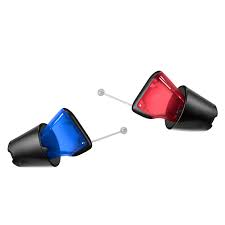
Categories
Hearing Health Science & Technology

Big Data’s Influence on Hearing Research: Essential Insights

Last Updated on 09/02/2026 by Admin

Comprehensive Analysis of Big Data’s Impact on Hearing Research

What Is the Core Principle of Big Data Applications in Hearing Science?

The emergence of big data within the field of hearing research marks a significant transformation, where vast amounts of auditory information are meticulously collected, examined, and understood to unravel complex auditory phenomena. This shift is facilitated by innovative <a href="https://www.earwaxremoval.net/virtual-reality-enhances-auditory-rehabilitation-in-hearing-therapy/">data collection techniques</a> and advanced analytical methodologies that together deepen our insights into the functioning of hearing.

As sensory data floods in from a multitude of sources, researchers can now identify overarching trends in auditory perception and processing. This groundbreaking approach not only redefines theoretical models but also transforms practical applications in hearing research. Hence, the incorporation of big data is vital for tackling research difficulties and seizing opportunities across diverse populations and auditory conditions.

What Are the Key Elements Required for Data Management in Hearing Research?

Efficiently navigating big data in hearing research relies on a well-structured array of tools and methodologies that can be tailored to various contexts. Essential components encompass:

  • Data Warehousing: Effectively storing large volumes of auditory data for easy access and analysis.
  • Data Mining: Uncovering significant patterns and insights from extensive datasets.
  • Statistical Analysis Software: Utilising applications such as R and Python for thorough data interpretation.
  • Machine Learning Algorithms: Employing techniques that enable predictive analyses and pattern recognition.
  • Data Visualisation Tools: Software designed to present intricate data in a user-friendly manner.
  • Cloud Computing: Facilitating scalable storage and processing capabilities for enormous datasets.
  • Collaboration Platforms: Tools that foster global data sharing among researchers.
  • Quality Assurance Processes: Ensuring the reliability and integrity of data throughout the research lifecycle.

These components are not only technical necessities but also fundamental elements that greatly enhance the effectiveness of auditory studies, broadening their applicability across various research environments.

How Has the Utilisation of Data Transformed in Hearing Research?

The transformation of data usage in hearing research has been extraordinary, particularly with the swift advancements in technology. Historically, the research landscape was characterised by basic auditory assessments and limited sample sizes. However, the shift towards big data methodologies has empowered researchers to exploit extensive datasets, producing more nuanced understandings of auditory functions.

This transformation is highlighted by rapid advancements in data collection technologies, evolving from rudimentary sound recordings to sophisticated neuroimaging and biometric tracking. These developments equip researchers with a holistic perspective on hearing processes across varied populations. Enhanced computational abilities and analytical strategies now enable the amalgamation of auditory data from diverse sources, paving the way for revolutionary discoveries that impact both clinical practices and scholarly research.

How Does Big Data Contribute to Advancements in Hearing Studies?

What Significance Does Data Analysis Hold for Research Outcomes?

Data analysis plays a pivotal role in enhancing the outcomes of auditory studies. By harnessing advanced analytical techniques, researchers can reveal intricate patterns and correlations within auditory data that might otherwise remain obscured. This thorough analytical process fosters more accurate interpretations of hearing functions and disorders.

Through the application of statistical methods and machine learning techniques, studies can uncover insights such as the effects of environmental noise on auditory processing or the genetic factors linked to hearing loss. These revelations extend beyond individual cases, offering broader insights into auditory health across various populations and conditions, ultimately leading to better-targeted interventions and treatment approaches.

How Is the Integration of Varied Data Sources Fortifying Hearing Studies?

The integration of diverse data sources is crucial for strengthening hearing studies. By amalgamating information from different modalities—such as audiometric assessments, genetic data, and neuroimaging findings—researchers can cultivate a more holistic understanding of auditory processing and its variations across diverse demographics.

This integrative approach not only enriches the research but also encourages interdisciplinary cooperation among auditory scientists, geneticists, and data analysts. Such collaborations foster the development of comprehensive models that more accurately predict the outcomes of auditory interventions, culminating in personalised and effective treatment strategies for individuals experiencing hearing impairments.

What Is the Influence of Big Data on Research Methodologies in Hearing Studies?

The impact of big data on research methodologies within hearing studies is profound, as it facilitates more refined and effective strategies for understanding auditory phenomena. Traditional methods often relied on limited sample sizes and straightforward analyses, constraining the breadth of findings. In contrast, big data methodologies enable researchers to work with larger, more diverse cohorts, enriching the data landscape.

For instance, the utilisation of big data allows researchers to apply complex algorithms that analyse multi-dimensional datasets, revealing subtle distinctions in auditory processing that are essential for developing innovative treatment options. This increased methodological precision not only advances scientific understanding but also improves the translation of research findings into clinical practice, ensuring that therapies are more closely aligned with the real challenges faced by individuals with hearing difficulties.

Professional Perspectives on the Implications of Big Data in Hearing Research

What Advanced Techniques Are Employed for Data Interpretation in Hearing Studies?

Professionals in hearing research utilise advanced techniques for data interpretation that optimise the utility of big data. At the forefront of these strategies are machine learning and artificial intelligence, which allow researchers to examine intricate auditory datasets and derive actionable insights.

For instance, researchers can employ neural networks to simulate auditory perception in response to various stimuli, predicting how individuals with hearing impairments might respond to sound therapies. These sophisticated techniques also assist in identifying previously unrecognised auditory processing patterns, paving the way for innovative intervention and rehabilitation strategies.

Another critical approach involves leveraging natural language processing to analyse qualitative data obtained from patient interviews, linking subjective experiences of hearing loss with objective audiometric information. By integrating these advanced methodologies, researchers not only improve research quality but also ensure that findings are relevant and broadly applicable.

What Strategies Ensure Effective Data Utilisation in Hearing Research?

To maximise data utilisation in hearing research, professionals advocate several strategic methodologies to guarantee reliable outcomes. First, establishing a comprehensive data management framework is essential, encompassing protocols for data collection, processing, and analysis. This structured approach aids in maintaining consistency and integrity throughout all phases of the research.

Moreover, fostering interdisciplinary collaboration is vital. Involving specialists from various fields—such as audiology, data science, and public health—can enrich research projects with diverse perspectives, thereby elevating the overall quality of the study.

Additionally, implementing stringent quality control measures is necessary to ensure data accuracy and reliability. Regular audits and validation processes can help identify and rectify inconsistencies throughout the research lifecycle. By adhering to these strategies, researchers can amplify the impact of their findings, contributing significantly to the broader body of knowledge in hearing science.

What Are the Advantages of Specialized Data Approaches in Hearing Research?

Utilising specialised data approaches in hearing research yields numerous benefits that enhance the overall quality of studies. A significant advantage is the improvement of research precision. By applying targeted methodologies, such as focused audio signal processing and detailed psychometric assessments, researchers can gain deeper insights into specific auditory phenomena.

Furthermore, these specialised techniques facilitate the discovery of intricate relationships among variables, such as the interplay between auditory processing and cognitive functions. This understanding is crucial for devising more effective therapeutic strategies customised to individual needs.

Employing specialised data methodologies also promotes reproducibility, a fundamental aspect of scientific inquiry. By adhering to standardised protocols, researchers can ensure their findings are consistent and trustworthy, fostering heightened credibility within the academic community.

What Challenges Are Encountered in Implementing Big Data for Hearing Research?

Despite the transformative potential of big data, several challenges hinder its implementation in hearing research. One significant obstacle is data quality, as inaccuracies and inconsistencies can significantly compromise research findings. Researchers must remain vigilant in applying rigorous quality control measures to address these issues, ensuring that the data remains robust and credible.

Moreover, scalability poses a challenge, as the sheer volume of data generated can overwhelm traditional processing capabilities. This situation necessitates the adoption of advanced computational techniques and infrastructure capable of efficiently managing large datasets.

Additionally, researchers face ethical dilemmas related to data privacy and patient consent. Establishing clear ethical guidelines and protocols for data management is crucial for navigating these complexities and ensuring responsible research practices. By recognising and confronting these challenges, the auditory research community can fully harness the potential of big data to advance the field.

What Future Trends Are Expected with Big Data in Advancements in Auditory Science?

Looking ahead, several trends are emerging in the realm of big data that are poised to significantly propel auditory research. One prominent trend is the integration of artificial intelligence, expected to revolutionise how auditory data is analysed and interpreted. By employing AI algorithms, researchers can unveil hidden correlations and patterns within extensive datasets that were previously unattainable.

Furthermore, the increasing application of predictive analytics is anticipated to play a vital role in recognising potential hearing disorders before they manifest clinically. This proactive approach enables early interventions that can markedly enhance patient outcomes.

Additionally, advancements in data-sharing technologies are likely to boost collaboration among global research communities, fostering a more comprehensive understanding of auditory science. These trends underscore the need to remain informed about technological advancements to ensure that hearing research remains relevant and impactful in the future.

What Challenges Persist in Leveraging Big Data for Hearing Research?

How Can Researchers Address Data Quality Concerns?

Maintaining data quality is crucial for upholding the integrity of auditory research. Common issues include inaccuracies in data entry, inconsistencies in measurement methods, and missing data points. Implementing robust protocols for data collection and management can significantly alleviate these challenges.

Regular training for research personnel on data handling techniques is also essential. This training minimises human error and ensures that all involved comprehend the importance of upholding high-quality standards. Moreover, employing automated data validation tools can help identify potential discrepancies early in the research process, facilitating prompt corrections.

Ultimately, prioritising data quality not only enhances the reliability of research findings but also cultivates greater trust among stakeholders, comprising funding agencies, academic peers, and the wider community interested in hearing health.

What Limitations Exist in Data Processing Capabilities?

Limitations in data processing capabilities can significantly hinder the advancement of hearing research. As datasets expand in size and complexity, traditional processing methods may become inadequate. This inadequacy can lead to delays in analysis and obstruct researchers’ ability to derive timely insights from the data.

To overcome these limitations, researchers must invest in advanced computational resources, such as high-performance computing systems capable of efficiently managing vast amounts of data. Leveraging cloud-based solutions can also provide scalable processing power that adapts to the fluctuating demands of research projects.

Implementing parallel processing techniques can enhance data handling capabilities, allowing simultaneous analyses that expedite research progress. Embracing these technological advancements is imperative for researchers aiming to maximise the potential of big data in auditory studies.

What Ethical Dilemmas Are Associated with Data Utilisation?

The integration of big data in hearing research presents several ethical dilemmas that must be navigated thoughtfully. Issues surrounding data privacy and informed consent are particularly pressing, as researchers frequently gather sensitive information from individuals regarding their hearing health.

To address these concerns, it is vital for researchers to establish clear guidelines for data usage that prioritise participant rights and confidentiality. Transparent communication with participants about how their data will be utilised and stored is essential for maintaining trust.

Furthermore, ongoing ethical training for researchers is crucial to ensure that all individuals involved in data management are cognisant of potential dilemmas and equipped with strategies to navigate them responsibly. By proactively addressing these ethical considerations, the auditory research community can foster responsible practices while advancing the field.

Research-Driven Advantages of Big Data’s Role in Hearing Research

What Key Advantages Are Linked to Research Accuracy?

Utilising big data offers considerable advantages in enhancing research accuracy within auditory studies. By leveraging robust analytical frameworks, researchers can refine the precision of their findings, ensuring they accurately reflect the complexities inherent in auditory phenomena.

One actionable method is to implement machine learning algorithms capable of processing extensive datasets, identifying correlations and anomalies that traditional methodologies may overlook. This approach not only boosts the accuracy of research outcomes but also empowers researchers to make informed, data-driven decisions that more accurately mirror real-world scenarios.

Moreover, integrating cross-disciplinary data can provide a more comprehensive perspective, enriching the research landscape and fostering a nuanced understanding of auditory conditions. Such strategies collectively elevate research quality and credibility in the field of hearing science.

How Do Analytical Outcomes Benefit from Big Data?

Improvements to analytical outcomes represent a pivotal advantage of employing big data in hearing research. By adopting advanced statistical methods and computational techniques, researchers can produce more reliable and insightful results. This enhancement is particularly significant in studies examining complex auditory disorders, where multifactorial influences are involved.

For example, utilising big data analytics enables researchers to dissect how genetic predispositions and environmental factors interact, providing greater clarity on how these elements affect auditory processing. Such insights are essential for developing targeted interventions and informing clinical practices.

Additionally, employing data visualisation tools allows researchers to present their findings in a more accessible format, improving communication with stakeholders and enhancing knowledge dissemination within the auditory research community.

What Is the Long-Term Value of Data Integration in Hearing Research?

The long-term value of data integration in hearing research is immeasurable, as it lays the groundwork for ongoing advancements in the field. By consistently integrating diverse datasets, researchers can construct comprehensive profiles of auditory health and dysfunction across various populations.

  • Enhances predictive modelling for hearing disorders.
  • Facilitates long-term tracking of auditory health trends.
  • Strengthens collaboration among interdisciplinary teams.
  • Improves the efficacy of clinical interventions over time.
  • Enables the development of tailored therapeutic approaches.
  • Creates a central repository of auditory research findings.
  • Increases engagement and support from funding bodies.
  • Fosters an environment of continuous learning and adaptation.

By acknowledging the long-term benefits of data integration, researchers can ensure their work in the field of hearing science continues to be relevant and impactful.

How Does Big Data Influence Predictive Analytics in Hearing Studies?

Big data significantly enhances predictive analytics in hearing studies, equipping researchers with the necessary tools to anticipate potential auditory disorders before they arise. By analysing extensive and diverse datasets, researchers can identify risk factors and early indicators of hearing impairments, allowing timely interventions.

Utilising algorithms designed for predictive modelling enables researchers to create comprehensive frameworks that evaluate individual risk profiles based on genetic, environmental, and lifestyle factors. This proactive strategy not only improves patient outcomes but also optimises resource allocation within healthcare systems.

Moreover, validating predictions through longitudinal studies ensures that models remain precise and relevant over time. By leveraging big data in predictive analytics, the auditory research community can lead advancements in preventative strategies for hearing health.

How Does Big Data Foster Innovation Through Collaborative Efforts?

Big data drives innovation in hearing research by promoting interdisciplinary collaborations that leverage the strengths of various fields. By establishing secure data-sharing networks, researchers can pool their resources and expertise, accelerating discoveries and optimising resource use.

For example, partnerships among audiologists, data scientists, and engineers can lead to the creation of advanced auditory technologies that improve diagnostic capabilities and treatment options. These collaborations are crucial for addressing the multifaceted challenges faced in hearing research.

Additionally, forming collaborative platforms that facilitate communication and knowledge exchange among researchers globally can cultivate a vibrant research community. By fostering innovation through collaboration, the auditory research field can ensure that advancements continue to benefit individuals impacted by hearing impairments worldwide.

Why Is Big Data Indispensable for Future Innovations in Hearing Science?

What Future Trends Can We Expect from Data Utilisation?

The future utilisation of big data in hearing research is poised to transform the auditory science landscape dramatically. As technology continues to progress, researchers can anticipate a shift towards more personalised methodologies for understanding and treating hearing disorders.

Emerging advancements in artificial intelligence and machine learning will facilitate the creation of sophisticated models that predict auditory outcomes with enhanced accuracy. Furthermore, the incorporation of wearable technologies capable of continuously monitoring auditory health will provide real-time data that enriches our understanding of individual listening experiences.

Overall, the potential for big data to reshape the future of hearing innovations is tremendous, unveiling new avenues for exploration and discovery within the field.

How Does Big Data Propel Innovative Solutions?

Big data plays a crucial role in driving innovative solutions in hearing research by providing the analytical frameworks necessary to uncover new insights. By harnessing the power of diverse datasets, researchers can formulate novel hypotheses that challenge existing paradigms.

For instance, analysing large-scale population data can reveal previously unnoticed patterns related to environmental influences on hearing health. This discovery can lead to the development of innovative prevention and intervention strategies tailored to specific risk factors.

Moreover, big data accelerates the rapid prototyping and testing of new auditory technologies, enabling researchers to iterate swiftly and refine solutions based on empirical evidence. This iterative process fosters a creative and innovative environment, ensuring advancements align with the needs of individuals facing hearing impairments.

What Transformative Impacts Can Big Data Generate?

The potential for big data to create transformative impacts in hearing research is extensive. By enabling researchers to analyse large volumes of information, big data can uncover insights that fundamentally reshape our understanding of auditory processes and disorders.

For instance, the ability to integrate genetic, environmental, and lifestyle data could lead to breakthroughs in personalised medicine, resulting in interventions tailored to individuals’ unique profiles. This holistic approach could revolutionise treatment strategies and enhance the quality of life for those affected by hearing challenges.

Furthermore, continuous developments in predictive analytics powered by big data have the potential to alter how hearing disorders are diagnosed and managed. By identifying risk factors early, healthcare providers can intervene proactively, alleviating the overall burden of hearing loss on individuals and society.

Applications of Big Data in Hearing Research

What Are the Primary Uses of Big Data in Experimental Designs?

In hearing research, big data plays a crucial role in various experimental designs, significantly enhancing the robustness of studies. Researchers can utilise extensive datasets to conduct thorough analyses that uncover complex relationships within auditory processing mechanisms.

For example, big data allows researchers to implement factorial designs that simultaneously investigate multiple variables affecting hearing outcomes. This multifaceted approach yields deeper insights into the interactions between auditory stimuli and individual characteristics, resulting in more nuanced findings.

Moreover, employing simulation models based on big data can predict auditory responses to specific interventions, enabling researchers to explore potential outcomes prior to conducting real-world trials. These innovative experimental designs, powered by big data, contribute significantly to advancing knowledge in auditory research.

How Do Data-Driven Modelling Techniques Enhance Research?

Data-driven modelling techniques serve as essential tools for improving predictive accuracy in auditory research. By applying statistical and computational models, researchers can analyse intricate datasets to identify patterns and relationships that inform theoretical frameworks in hearing science.

For instance, using regression models enables researchers to quantify the impact of various factors on auditory outcomes, such as the effects of age or noise exposure on hearing loss. Additionally, machine learning techniques like decision trees and support vector machines can classify data points and predict future outcomes based on historical trends.

Furthermore, integrating network analysis can illuminate the interconnectedness of different auditory processes, leading to a comprehensive understanding of how various factors contribute to hearing health. By employing these data-driven modelling techniques, researchers can enhance the relevance and accuracy of their findings within auditory research.

What Opportunities Arise from Expanding into New Research Domains?

The extension of big data applications into new research areas presents exciting possibilities within the realm of hearing research. As researchers increasingly recognise the value of diverse datasets, disciplines such as neurobiology, psychology, and environmental science are becoming integral to auditory studies.

For example, exploring the relationship between auditory processing and cognitive functions is a burgeoning area of interest. By leveraging big data from various disciplines, researchers can create comprehensive models that account for variables like attention and memory, culminating in a more holistic comprehension of hearing.

Additionally, investigating the impacts of environmental factors, such as urban noise on hearing health, opens new research avenues that can inform public health policies and interventions. The broadening of big data applications into these new areas ultimately enhances the significance and influence of hearing research on global health.

Ethical Considerations in Utilising Big Data for Hearing Research

What Are the Fundamental Principles of Data Ethics?

Adhering to fundamental principles of data ethics is essential for responsible handling of auditory data. These principles encompass respect for participant autonomy, ensuring informed consent, and safeguarding data confidentiality.

Researchers must prioritise transparency in their data collection practices, clearly articulating the purpose of the research and how data will be used. This transparency fosters trust with participants and cultivates a culture of ethical responsibility within the research community.

Moreover, implementing rigorous data security measures is critical for protecting sensitive information and preventing misuse. By establishing clear ethical guidelines and procedures, researchers can navigate the complexities of data usage in hearing research responsibly.

What Safeguards Are Essential to Prevent Information Misuse?

Establishing safeguards against the misuse of information is paramount in upholding the integrity of hearing research. Researchers should implement stringent access protocols, ensuring that only authorised personnel manage sensitive data.

Utilising encryption techniques for data storage and transmission offers an additional layer of protection against unauthorised access. Regular audits and assessments of data handling practices are crucial for identifying vulnerabilities and reinforcing compliance with ethical standards.

Furthermore, cultivating a culture of ethical awareness among research personnel through training and education is vital to ensure that all individuals involved in the research process understand the importance of data protection and adhere to established guidelines. By implementing these safeguards, researchers can maintain the ethical standards necessary for responsible data usage in hearing research.

How Can Researchers Balance Innovation with Responsibility?

Balancing innovation with responsibility presents a significant challenge in the application of big data in hearing research. As researchers strive to push the boundaries of knowledge, it is imperative to ensure that ethical considerations remain central to their work.

One effective strategy is to incorporate ethical review processes into research planning, ensuring that potential risks and benefits are thoroughly evaluated before data collection begins. Engaging stakeholders, including patient advocacy groups, in discussions regarding data utilisation can provide valuable insights that inform responsible practices.

Moreover, fostering open dialogue within the research community about the implications of innovative technologies can help identify potential ethical dilemmas at an early stage, allowing proactive measures to address them. By prioritising ethical responsibility alongside innovation, researchers can advance the field of hearing science while upholding public trust and integrity.

Frequently Asked Questions

What Is Big Data in Hearing Research?

Big data in hearing research refers to the extensive amounts of auditory information gathered and analysed to enhance our understanding of hearing processes, disorders, and interventions.

How Does Big Data Enhance Research Accuracy?

Big data enhances research accuracy by allowing researchers to analyse larger and more diverse datasets, unveiling intricate patterns that improve the precision of their findings.

What Are Common Ethical Concerns Associated with Big Data?

Common ethical concerns include data privacy, informed consent, and the potential for misuse of sensitive auditory information obtained from participants.

How Can Researchers Ensure Data Quality?

Researchers can ensure data quality by implementing rigorous data management protocols, conducting regular audits, and utilising automated validation tools to identify discrepancies.

What Role Does Predictive Analytics Play in Hearing Research?

Predictive analytics enables researchers to forecast potential hearing disorders based on historical data, allowing for proactive interventions for at-risk individuals.

What Challenges Are Present in Big Data Implementation?

Challenges include data quality issues, limitations in processing capabilities, ethical dilemmas, and the need for advanced data management systems.

How Can Interdisciplinary Collaboration Enhance Hearing Research?

Interdisciplinary collaboration enriches hearing research by uniting diverse expertise, leading to more comprehensive studies and innovative solutions to complex auditory challenges.

What Techniques Improve Data Interpretation in Auditory Studies?

Techniques such as machine learning, statistical analysis, and natural language processing enhance data interpretation by uncovering hidden patterns and relationships within auditory data.

What Future Trends Are Expected in Hearing Research?

Future trends may include increased personalisation in treatments, advancements in AI and machine learning, and greater data integration across diverse disciplines.

How Does Big Data Promote Innovation in Hearing Science?

Big data fosters innovation by equipping researchers with analytical tools to explore new hypotheses and develop novel technologies for addressing hearing impairments.

Join our community on X today!

The post Big Data’s Impact on Hearing Research: Key Insights appeared first on The Microsuction Ear Wax Removal Network.
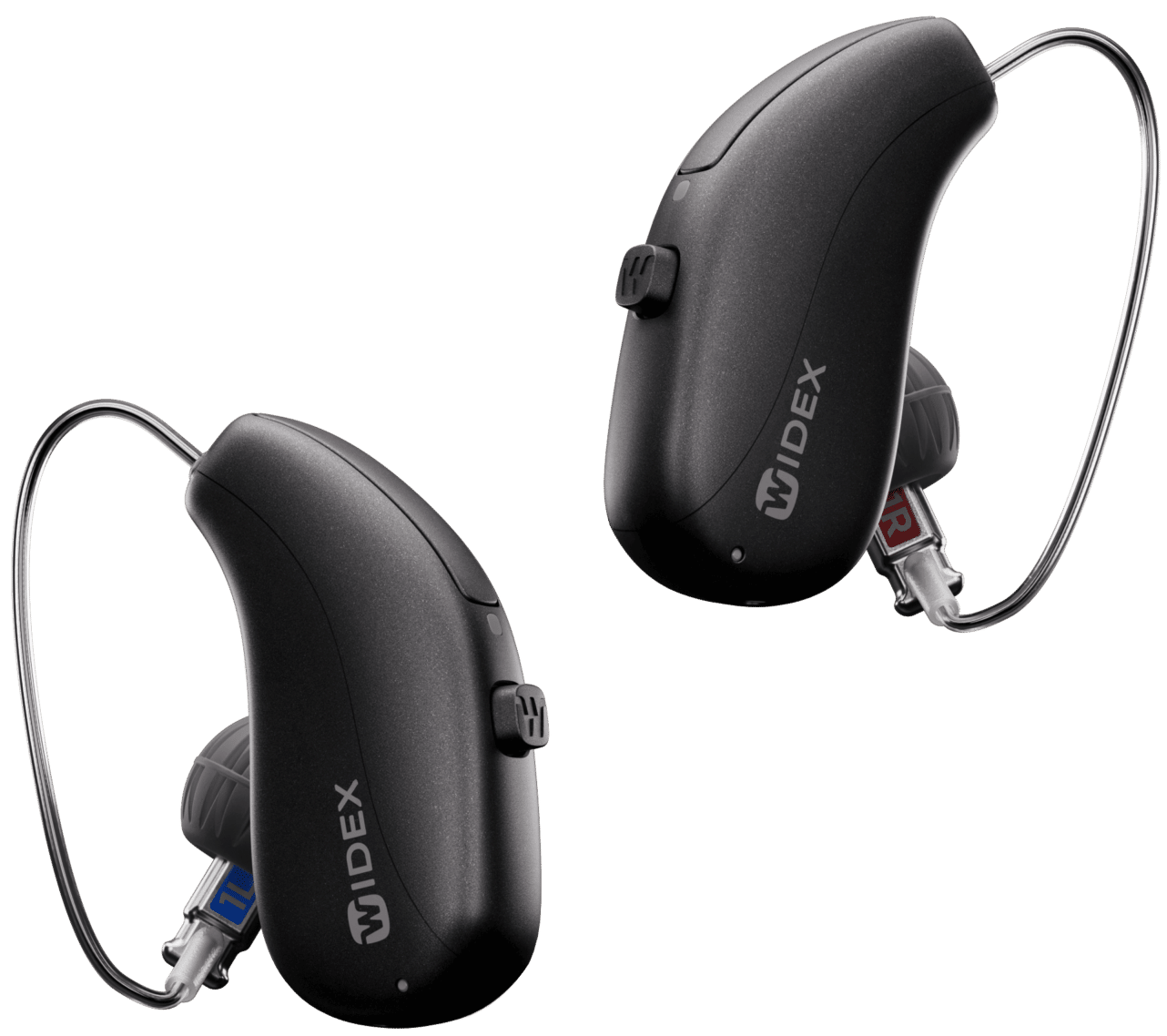
The post Big Data’s Impact on Hearing Research: Key Insights appeared first on Healthcare Marketing Service.

Categories
Hearing Research Science & Technology

Big Data’s Influence on Hearing Research: Essential Insights

Last Updated on 09/02/2026 by Admin

Comprehensive Analysis of Big Data’s Influence on Hearing Research

What Is the Core Principle Underpinning Big Data Applications?

The advent of big data in the field of hearing research marks a significant transformation, where enormous volumes of auditory data are meticulously collected, analysed, and interpreted to unravel complex auditory phenomena. This advancement is driven by innovative data collection methodologies and advanced analytical techniques, which collectively deepen our understanding of hearing processes. Researchers can now harness vast datasets, enabling them to recognise patterns and trends that were previously elusive, thus enhancing both theoretical frameworks and practical applications in the domain of hearing.

As sensory data flows in from a multitude of sources, researchers gain the capability to identify common trends in auditory perception and processing. This groundbreaking approach not only reshapes the landscape of theoretical understanding but also revolutionises the practical applications in hearing research. Therefore, the incorporation of big data becomes vital in tackling research challenges and uncovering new opportunities across diverse populations and a variety of auditory conditions.

What Are the Key Elements for Managing Data in Hearing Research?

Successfully managing big data within hearing research relies on a clearly defined array of tools and processes that can adapt to various contexts. Essential components include:

  • Data Warehousing: Effectively storing vast quantities of auditory data.
  • Data Mining: Extracting meaningful patterns and insights from large datasets.
  • Statistical Analysis Software: Utilising applications like R and Python for comprehensive data interpretation.
  • Machine Learning Algorithms: Applying techniques that enable predictive analysis and pattern recognition.
  • Data Visualization Tools: Software tailored to present complex data in an accessible format.
  • Cloud Computing: Providing scalable storage and processing capabilities for extensive datasets.
  • Collaboration Platforms: Tools that enhance global data sharing among researchers.
  • Quality Assurance Processes: Ensuring data reliability and integrity throughout the research lifecycle.

These components are not merely technical necessities; they also serve as foundational elements that dramatically enhance the effectiveness of auditory studies, broadening their applicability across various research environments.

How Has the Utilisation of Data Changed in Hearing Research?

The progression of data utilisation in hearing research has been extraordinary, especially in light of rapid technological advancements. In earlier times, research was characterised by simplistic auditory assessments and limited sample sizes. However, the shift to big data methodologies has empowered researchers to leverage extensive datasets, resulting in a more profound understanding of auditory functions.

This transformation is characterised by swift advancements in data collection technologies, evolving from basic sound recordings to sophisticated neuroimaging and biometric tracking. These innovations equip researchers with comprehensive perspectives on hearing processes across diverse populations. Enhanced computational capabilities and analytical strategies now facilitate the integration of auditory data from myriad sources, paving the way for groundbreaking discoveries that significantly impact both clinical practices and academic research.

How Does Big Data Enrich Hearing Research Studies?

What Role Does Data Analysis Play in Enhancing Research Outcomes?

Data analysis is vital for elevating the outcomes of auditory studies. By employing advanced analytical techniques, researchers can uncover intricate patterns and correlations within auditory data that might otherwise remain concealed. This thorough analytical process leads to more accurate interpretations of hearing functions and disorders.

By leveraging statistical methods and machine learning approaches, studies can illuminate insights such as the impact of environmental noise on auditory processing or the genetic factors linked to hearing loss. These findings extend beyond individual cases, offering a broader comprehension of auditory health across various populations and conditions, ultimately fostering better-targeted interventions and treatment strategies.

How Is the Integration of Different Data Sources Fortifying Hearing Research?

Integrating diverse data sources is essential for strengthening hearing studies. By combining information from multiple modalities—such as audiometric evaluations, genetic data, and neuroimaging outcomes—researchers can cultivate a more comprehensive understanding of auditory processing and its variations across different demographics.

This integrative approach not only enriches research but also fosters interdisciplinary collaboration among auditory scientists, geneticists, and data analysts. Such partnerships facilitate the development of comprehensive models that more accurately predict the outcomes of hearing interventions, leading to personalised and effective treatment strategies for individuals experiencing hearing impairments.

What Is the Significance of Big Data for Research Methodologies in Hearing Studies?

The impact of big data on research methodologies in hearing studies is considerable, as it fosters more refined and effective approaches to understanding auditory phenomena. Traditional methods often relied on limited sample sizes and straightforward analyses, constraining the depth of findings. In contrast, big data methodologies permit larger, more diverse cohorts, enriching the data landscape.

For instance, the utilisation of big data allows researchers to deploy complex algorithms that analyse multi-dimensional datasets, revealing subtle differences in auditory processing critical for developing innovative treatment modalities. This enhanced methodological precision not only advances scientific understanding but also improves the translation of research findings into clinical practice, ensuring that therapies are more closely aligned with the real challenges faced by individuals with hearing difficulties.

Professional Perspectives on Big Data’s Influence in Hearing Research

What Cutting-Edge Techniques Are Employed for Data Interpretation?

Experts in hearing research implement advanced methodologies for data interpretation that optimise the utility of big data. At the forefront of these techniques are machine learning and artificial intelligence, which empower researchers to analyse complex auditory datasets and extract actionable insights.

For example, researchers can employ neural networks to model auditory perception in response to various stimuli, predicting how individuals with hearing impairments might respond to sound therapies. These sophisticated techniques also assist in identifying previously unrecognised auditory processing patterns, paving the way for new intervention and rehabilitation strategies.

Another critical approach involves applying natural language processing to analyse qualitative data from patient interviews, linking subjective experiences of hearing loss with objective audiometric data. By integrating these advanced techniques, researchers not only enhance research quality but also ensure that findings remain relevant and widely applicable.

What Strategies Enhance Effective Data Utilisation in Hearing Research?

To maximise data utilisation in hearing research, experts advocate for several strategic approaches that ensure reliable outcomes. First, establishing a comprehensive data management plan is essential, encompassing protocols for data collection, processing, and analysis. This structured framework maintains consistency and integrity throughout all research phases.

Furthermore, promoting interdisciplinary collaboration is crucial. By engaging professionals from various fields—such as audiology, data science, and public health—research projects can benefit from diverse perspectives, thereby enhancing overall research quality.

Moreover, implementing stringent quality control measures is necessary to guarantee data accuracy and reliability. Regular audits and validation processes can help identify and rectify inconsistencies throughout the research lifecycle. By adhering to these strategies, researchers can amplify the impact of their findings, contributing to the broader knowledge base in hearing science.

What Advantages Do Specialized Data Approaches Offer in Hearing Research?

Specialised data approaches in hearing research present numerous benefits that elevate the quality of studies. A significant advantage is the enhancement of research precision. By employing targeted methodologies, such as focused audio signal processing and detailed psychometric assessments, researchers can gain deeper insights into specific auditory phenomena.

Additionally, these specialised approaches facilitate the discovery of intricate relationships among variables, such as the interplay between auditory processing and cognitive functions. This understanding is crucial for developing more effective therapeutic strategies customised to individual needs.

Utilising specialised data techniques also promotes reproducibility, a vital element in scientific research. By adhering to standardised protocols, researchers can ensure that their findings are consistent and trustworthy, thereby fostering increased credibility within the academic community.

What Challenges Are Associated with Implementing Big Data in Hearing Research?

Despite the transformative potential of big data, several challenges hinder its implementation in hearing research. A primary concern is data quality; inaccuracies and inconsistencies can severely undermine research findings. Researchers must diligently employ stringent quality control measures to address these issues, ensuring data remains robust and reliable.

Additionally, scalability poses a challenge, as the vast volumes of data generated can overwhelm traditional processing capabilities. This situation necessitates the adoption of advanced computational techniques and infrastructure capable of efficiently managing large datasets.

Moreover, researchers face ethical dilemmas regarding data privacy and patient consent. Establishing clear ethical guidelines and procedures for data management is crucial for navigating these complexities and ensuring responsible research practices. By recognising and addressing these challenges, the auditory research community can fully harness the potential of big data to advance the field.

What Future Trends Can We Expect with Big Data in Auditory Advancements?

Looking ahead, several trends are emerging in the realm of big data that promise to significantly propel auditory research. One prominent trend is the integration of artificial intelligence, anticipated to revolutionise how auditory data is analysed and interpreted. By employing AI algorithms, researchers can uncover hidden correlations and patterns within extensive datasets that were previously unattainable.

Furthermore, the increasing adoption of predictive analytics is expected to play a crucial role in identifying potential hearing disorders before they manifest clinically. This proactive approach enables early interventions that can dramatically enhance patient outcomes.

Additionally, advancements in data-sharing technologies are likely to bolster collaboration among global research communities, fostering a more comprehensive understanding of auditory science. These trends underscore the importance of staying abreast of technological developments to ensure that hearing research remains relevant and impactful in the future.

What Challenges Are Present in Utilising Big Data for Hearing Research?

How Can Researchers Address Data Quality Concerns?

Ensuring data quality is paramount for upholding the integrity of auditory research. Common challenges include inaccuracies in data entry, inconsistencies in measurement methods, and missing data points. Implementing robust protocols for data collection and management can significantly mitigate these issues.

Regular training for research personnel on data handling techniques is also critical. This education minimises human error and ensures that all involved understand the importance of maintaining high-quality standards. Additionally, utilising automated data validation tools can identify potential discrepancies early in the research process, enabling timely corrections.

Ultimately, prioritising data quality not only boosts the reliability of research findings but also fosters greater trust among stakeholders, including funding agencies, academic peers, and the wider community interested in hearing health.

What Limitations Exist in Data Processing Capabilities?

Limitations in data processing capabilities can significantly impede the progress of hearing research. As datasets expand in size and complexity, traditional processing methods may fall short. This inadequacy can lead to delays in analysis, obstructing researchers’ ability to derive timely insights from the data.

To overcome these limitations, researchers must invest in advanced computational resources, including high-performance computing systems capable of efficiently managing vast amounts of data. Leveraging cloud-based solutions can also provide scalable processing power that adapts to the variable demands of research projects.

Implementing parallel processing techniques can enhance data handling capabilities, facilitating simultaneous analyses that expedite research progress. Embracing these technological advancements is essential for researchers seeking to maximise the potential of big data in auditory studies.

What Ethical Considerations Arise from Data Utilisation?

The integration of big data in hearing research brings forth several ethical considerations that must be navigated with due diligence. Issues regarding data privacy and informed consent are particularly pressing, as researchers often collect sensitive information from individuals concerning their hearing health.

To address these concerns, it is imperative for researchers to establish clear guidelines for data utilisation that prioritise participant rights and confidentiality. Transparent communication with participants regarding how their data will be used and stored is vital for maintaining trust.

Furthermore, ongoing ethical training for researchers is essential to ensure that all individuals involved in data management are aware of potential dilemmas and equipped with strategies to navigate them responsibly. By proactively addressing these ethical considerations, the auditory research community can promote responsible practices while advancing the field.

Research-Backed Benefits of Big Data’s Influence in Hearing Research

What Key Benefits Are Associated with Research Precision?

Utilising big data offers substantial advantages in enhancing research precision within auditory studies. By leveraging robust analytical frameworks, researchers can refine the accuracy of their findings, ensuring they reflect the complexities inherent in auditory phenomena.

One actionable tactic is to implement machine learning algorithms capable of processing extensive datasets, identifying correlations and anomalies that traditional methodologies may overlook. This approach not only improves the accuracy of research outcomes but also empowers researchers to make informed, data-driven decisions that better reflect real-world scenarios.

Moreover, integrating cross-disciplinary data can yield a more comprehensive perspective, enriching the research landscape and fostering a nuanced understanding of auditory conditions. Such strategies collectively elevate research quality and credibility in the field of hearing science.

How Do Analytical Outcomes Benefit from Implementing Big Data?

Improvements to analytical outcomes represent a significant advantage of employing big data in hearing research. By adopting advanced statistical methods and computational techniques, researchers can produce more reliable and insightful results. This enhancement is particularly salient in studies exploring complex auditory disorders, where multiple factors are at play.

For instance, leveraging big data analytics enables researchers to dissect how genetic predispositions and environmental factors interact, offering greater clarity on how these elements influence auditory processing. Such insights are crucial for devising targeted interventions and informing clinical practices.

Additionally, employing data visualisation tools allows researchers to present their findings in a more accessible format, improving communication with stakeholders and enhancing knowledge dissemination within the auditory research community.

What Is the Long-Term Value of Data Integration in Hearing Research?

The long-term value of data integration in hearing research is immense, as it lays the foundation for sustained advancements in the field. By consistently integrating diverse datasets, researchers can construct comprehensive profiles of auditory health and dysfunction across various populations.

  • Enhances predictive modelling for hearing disorders.
  • Facilitates long-term tracking of auditory health trends.
  • Strengthens collaboration among interdisciplinary teams.
  • Improves the efficacy of clinical interventions over time.
  • Enables the development of personalised therapeutic approaches.
  • Creates a centralised repository of auditory research findings.
  • Increases engagement and support from funding bodies.
  • Fosters an environment of continuous learning and adaptation.

By recognising the long-term benefits of data integration, researchers can ensure their contributions to the field of hearing science remain relevant and impactful.

How Does Big Data Influence Predictive Analytics in Hearing Studies?

Big data significantly enhances predictive analytics in hearing studies, equipping researchers with the necessary tools to anticipate potential auditory disorders before they manifest. By analysing extensive and diverse datasets, researchers can pinpoint risk factors and early indicators of hearing impairments, facilitating timely interventions.

Utilising algorithms designed for predictive modelling allows researchers to create comprehensive frameworks that assess individual risk profiles based on genetic, environmental, and lifestyle factors. This proactive strategy improves patient outcomes and enhances resource allocation efficiency within healthcare systems.

Moreover, validating predictions through longitudinal studies ensures that models remain accurate and relevant over time. By harnessing big data in predictive analytics, the auditory research community can lead the charge in advancing preventative strategies for hearing health.

How Does Big Data Foster Innovation Through Collaborative Efforts?

Big data drives innovation in hearing research by promoting interdisciplinary collaborations that leverage the strengths of various fields. By establishing secure data-sharing networks, researchers can pool their resources and expertise, expediting discoveries and optimising resource allocation.

For instance, partnerships among audiologists, data scientists, and engineers can lead to the development of advanced auditory technologies that enhance diagnostic capabilities and treatment options. These collaborations are crucial for addressing the multifaceted challenges present in hearing research.

Additionally, forming collaborative platforms that facilitate communication and knowledge exchange among researchers worldwide can nurture a vibrant research community. By fostering innovation through collaboration, the auditory research field can ensure that advancements continue to benefit individuals affected by hearing impairments globally.

Why Is Big Data Vital for Future Innovations in Hearing Science?

What Future Trends Can We Expect from Data Utilisation?

The future utilisation of big data in hearing research is poised to transform the auditory science landscape remarkably. As technology continues to evolve, researchers can anticipate a shift towards more personalised methodologies for understanding and treating hearing disorders.

Emerging developments in artificial intelligence and machine learning will facilitate the creation of sophisticated models that predict auditory outcomes with enhanced accuracy. Furthermore, the integration of wearable technologies capable of continuously monitoring auditory health will provide real-time data that enriches our understanding of individual listening experiences.

Overall, the capacity for big data to reshape the future of hearing innovations is vast, opening new avenues for exploration and discovery within the field.

How Does Big Data Drive Innovative Solutions?

Big data plays a crucial role in propelling innovative solutions in hearing research by providing the analytical frameworks necessary to uncover novel insights. By harnessing the power of diverse datasets, researchers can formulate new hypotheses that challenge existing paradigms.

For example, analysing large-scale population data can reveal previously unnoticed patterns related to environmental factors and their impact on hearing health. This discovery can lead to the creation of innovative prevention and intervention strategies tailored to specific risk factors.

Moreover, big data accelerates the rapid prototyping and testing of new auditory technologies, enabling researchers to iterate quickly and refine solutions based on empirical evidence. This iterative approach cultivates a creative and innovative environment, ensuring advancements align with the needs of individuals facing hearing impairments.

What Transformative Effects Can Big Data Generate?

The potential for big data to create transformative effects in hearing research is extensive. By enabling researchers to analyse vast amounts of information, big data can uncover insights that fundamentally reshape our understanding of auditory processes and disorders.

For instance, the ability to integrate genetic, environmental, and lifestyle data could lead to breakthroughs in personalised medicine, resulting in interventions customised to individuals’ unique profiles. This comprehensive approach has the power to revolutionise treatment strategies and enhance the quality of life for those affected by hearing challenges.

Additionally, ongoing advancements in predictive analytics driven by big data have the potential to alter how hearing disorders are diagnosed and managed. By identifying risk factors early, healthcare providers can intervene proactively, reducing the overall burden of hearing loss on both individuals and society.

Applications of Big Data in Hearing Research

What Are the Primary Functions of Big Data in Experimental Designs?

In hearing research, big data plays a vital role in various experimental designs, significantly bolstering the robustness of studies. Researchers can utilise extensive datasets to conduct thorough analyses that unveil complex relationships within auditory processing mechanisms.

For instance, big data allows researchers to implement factorial designs that simultaneously investigate multiple variables affecting hearing outcomes. This multifaceted approach yields deeper insights into the interactions between auditory stimuli and individual characteristics, resulting in more nuanced findings.

Moreover, employing simulation models based on big data can predict auditory responses to specific interventions, enabling researchers to explore potential outcomes prior to conducting real-world trials. These innovative experimental designs, powered by big data, contribute significantly to advancing knowledge in auditory research.

How Do Data-Driven Modelling Techniques Enhance Research?

Data-driven modelling techniques are essential tools for improving predictive accuracy in auditory research. By employing statistical and computational models, researchers can analyse intricate datasets to identify patterns and relationships that inform theoretical frameworks in hearing science.

For example, using regression models enables researchers to quantify the impact of various factors on auditory outcomes, such as age or noise exposure effects on hearing loss. Additionally, machine learning techniques like decision trees and support vector machines can categorise data points and predict future outcomes based on historical trends.

Furthermore, integrating network analysis can illuminate the interconnectedness of different auditory processes, leading to a comprehensive understanding of how various factors contribute to hearing health. By applying these data-driven modelling techniques, researchers can enhance the relevance and accuracy of their findings within auditory research.

What Opportunities Emerge from Expanding into New Research Domains?

The expansion of big data applications into novel research domains presents exciting possibilities within the realm of hearing research. As researchers increasingly recognise the value of diverse datasets, disciplines such as neurobiology, psychology, and environmental science are becoming integral to auditory studies.

For instance, investigating the connection between auditory processing and cognitive functions is an area of growing interest. By leveraging big data from multiple fields, researchers can create comprehensive models that account for variables such as attention and memory, culminating in a more holistic understanding of hearing.

Additionally, examining the impact of environmental factors, such as urban noise on hearing health, opens new research avenues that can inform public health policies and interventions. The broadening of big data applications into these new areas ultimately enhances the significance and influence of hearing research on global health.

Ethical Considerations in the Use of Big Data for Hearing Research

What Are the Essential Principles of Data Ethics?

Adhering to fundamental principles of data ethics is crucial for the responsible handling of auditory data. These principles encompass respect for participant autonomy, ensuring informed consent, and safeguarding data confidentiality.

Researchers must prioritise transparency in their data collection practices, clearly elucidating the purpose of the research and how data will be utilised. This transparency builds trust with participants and fosters a culture of ethical responsibility within the research community.

Moreover, implementing rigorous data security measures is essential for protecting sensitive information and preventing misuse. By establishing clear ethical guidelines and procedures, researchers can navigate the complexities of data usage in hearing research responsibly.

What Safeguards Are Necessary to Prevent Information Misuse?

Establishing safeguards against the misuse of information is paramount in upholding the integrity of hearing research. Researchers should implement stringent access protocols, ensuring that only authorised personnel manage sensitive data.

Utilising encryption techniques for data storage and transmission provides an additional layer of protection against unauthorised access. Regular audits and assessments of data handling practices are crucial for identifying vulnerabilities and reinforcing compliance with ethical standards.

Furthermore, fostering a culture of ethical awareness among research personnel through training and education helps ensure that everyone involved in the research process understands the importance of data protection and adheres to established guidelines. By implementing these safeguards, researchers can maintain the ethical standards necessary for responsible data usage in hearing research.

How Can Researchers Balance Innovation with Responsibility?

Balancing innovation with responsibility poses a significant challenge in the application of big data in hearing research. As researchers strive to advance knowledge, it is vital to ensure ethical considerations remain central to their work.

One effective strategy is to incorporate ethical review processes into research planning, ensuring that potential risks and benefits are carefully evaluated before data collection begins. Engaging stakeholders, including patient advocacy groups, in discussions regarding data usage can provide valuable insights that inform responsible practices.

Moreover, fostering open dialogue within the research community about the implications of innovative technologies can help identify potential ethical dilemmas at an early stage, allowing proactive measures to address them. By prioritising ethical responsibility alongside innovation, researchers can advance the field of hearing science while upholding public trust and integrity.

Frequently Asked Questions

What Is Big Data in Hearing Research?

Big data in hearing research refers to the extensive amounts of auditory information gathered and analysed to enhance our understanding of hearing processes, disorders, and interventions.

How Does Big Data Improve Research Accuracy?

Big data enhances research accuracy by allowing researchers to analyse larger and more diverse datasets, revealing intricate patterns that improve the precision of their findings.

What Are Common Ethical Concerns Associated with Big Data?

Common ethical concerns include data privacy, informed consent, and the potential for misuse of sensitive auditory information obtained from participants.

How Can Researchers Ensure Data Quality?

Researchers can ensure data quality by implementing rigorous data management protocols, conducting regular audits, and utilising automated validation tools to identify discrepancies.

What Role Does Predictive Analytics Play in Hearing Research?

Predictive analytics enables researchers to forecast potential hearing disorders based on historical data, allowing for proactive interventions for at-risk individuals.

What Challenges Are Present in Big Data Implementation?

Challenges include data quality issues, limitations in processing capabilities, ethical dilemmas, and the need for advanced data management systems.

How Can Interdisciplinary Collaboration Enhance Hearing Research?

Interdisciplinary collaboration enriches hearing research by uniting diverse expertise, leading to more comprehensive studies and innovative solutions to complex auditory challenges.

What Techniques Enhance Data Interpretation in Auditory Studies?

Techniques such as machine learning, statistical analysis, and natural language processing enhance data interpretation by uncovering hidden patterns and relationships within auditory data.

What Future Trends Are Expected in Hearing Research?

Future trends may include increased personalisation in treatments, advancements in AI and machine learning, and greater data integration across diverse disciplines.

How Does Big Data Promote Innovation in Hearing Science?

Big data fosters innovation by equipping researchers with analytical tools to explore new hypotheses and develop novel technologies for addressing hearing impairments.

Join our community on X today!

The post Big Data’s Impact on Hearing Research: Key Insights appeared first on The Microsuction Ear Wax Removal Network.
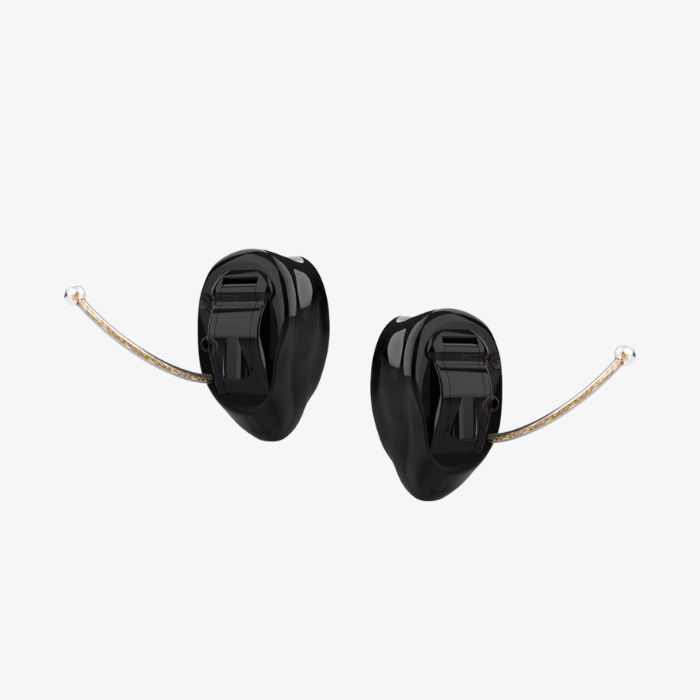
Categories
Hearing Solutions Science & Technology

Hybrid Hearing Aids: Essential Tech Integration Features

Last Updated on 25/01/2026 by Admin

Unveiling the Cutting-Edge Features of Hybrid Hearing Aids

Essential Components Driving Innovation in Hearing Technology

Hybrid hearing aids represent a remarkable fusion of digital and analog technologies, specifically designed to substantially enhance sound processing capabilities. This innovative amalgamation guarantees improved clarity across a spectrum of auditory environments, catering to the unique needs of individual users. The fundamental components that contribute to the exceptional performance of hybrid hearing aids encompass:

  • Microphones for effective sound capturing
  • Analog-to-digital converters for accurate signal processing
  • Digital signal processors for precise fine-tuning
  • Amplifiers for enhanced sound output
  • Battery systems ensuring a dependable power supply
  • Wireless connectivity modules facilitating seamless integration with other devices
  • Feedback cancellation technology aimed at minimising disruptive noise
  • Sensors engineered for environmental adaptation

Each of these components plays a crucial role in delivering a comprehensive auditory experience, establishing hybrid hearing aids as an indispensable resource for individuals encountering hearing challenges. With constant advancements in technology, these devices present new possibilities for enriched communication and social interaction.

What Distinguishes the Integration of Technologies in Hybrid Hearing Aids?

The unique integration of digital and analog components within hybrid hearing aids facilitates seamless audio adjustments. This functionality allows the devices to dynamically switch between modes, ensuring optimal performance in a diverse range of everyday scenarios, from lively urban environments to serene home settings. By intelligently responding to fluctuating acoustic conditions, these aids significantly enhance the user experience, providing improved clarity and comfort in hearing.

How Has the Design of Hybrid Hearing Aids Transformed Over Time?

Over recent decades, the design of hybrid hearing aids has undergone significant transformation. Initially, the focus was primarily on amplification; however, contemporary models have incorporated advanced features that enhance overall functionality and user-friendliness. These progressive developments have rendered hybrid hearing aids more intuitive, addressing a multitude of applications that cater to varying needs. Consequently, users now benefit from personalised experiences tailored to their unique hearing profiles, ensuring that the aids effectively accommodate their specific requirements.

How Do Hybrid Hearing Aids Integrate Advanced Technology Smoothly?

What Core Elements Are Vital for Efficient Integration?

The fundamental elements essential for the integration of hybrid technology within hearing aids encompass a sophisticated combination of sensors and processors. These components collaborate effectively to achieve superior noise reduction, allowing users to enjoy a balanced auditory experience in diverse environments. By merging hardware capabilities with advanced software algorithms, hybrid hearing aids can dynamically adapt sound levels, providing listeners with an enriched and more enjoyable hearing experience.

What Mechanisms Are Employed for Enhanced Sound Quality?

The mechanisms responsible for sound enhancement in hybrid hearing aids are intricate, integrating advanced algorithms with specialised hardware to achieve optimal outcomes. For example, the system can amplify specific frequencies while simultaneously diminishing background interference, rendering conversations clearer and more enjoyable. This tailored amplification effectively filters out distracting sounds, enabling wearers to focus on relevant audio, whether during social interactions or solitary activities. As a result, users can confidently navigate various auditory landscapes without difficulty.

What Are the Benefits of the Blended Technology Approach?

The blended technology approach inherent in hybrid hearing aids offers numerous advantages, primarily focusing on improved adaptability. By integrating diverse technological elements, these devices can fine-tune audio output in real-time according to environmental conditions, thus ensuring optimal hearing experiences. Users enjoy heightened clarity and reduced listening effort, particularly beneficial in noisy surroundings. This adaptability empowers wearers to engage fully in conversations and activities without being overwhelmed by distracting ambient sounds.

Insights from Experts on the Technological Fusion in Hybrid Hearing Aids

What Core Principles Underpin This Integration?

Audiology experts stress that the interaction of components within hybrid hearing aids is grounded in key principles of sound processing and auditory perception. The precise engineering of each component contributes to delivering accurate sound reproduction, which is essential for effective communication. Through technical analysis, one can appreciate how the combination of analog and digital elements results in enhanced clarity and richness of sound, crucial for users experiencing varying degrees of hearing loss.

What Advanced Features Are Available in Practice?

To ensure that the integrated components of hybrid hearing aids operate optimally, users can follow actionable recommendations provided by hearing specialists. Calibration techniques are essential for guaranteeing that the device functions at its best. Regular evaluations and adjustments can be conducted in collaboration with audiologists, enabling users to fully harness the potential of their hearing aids. By adapting settings according to user feedback and environmental changes, individuals can experience sustained improvements in their hearing capabilities.

How Does This Technological Integration Influence Daily Life?

The convergence of technologies within hybrid hearing aids profoundly affects daily life. Real-world testimonials highlight how wearers benefit from increased accessibility in various scenarios—be it in bustling cafés, crowded public transport, or intimate family gatherings. User feedback indicates that the enhanced clarity and sound separation facilitate more meaningful conversations and interactions. By enabling clearer communication, these devices help dismantle barriers often associated with hearing loss, fostering greater inclusion and connection among users.

What Role Does AI Play in Enhancing Hybrid Hearing Aids?

The incorporation of artificial intelligence (AI) in hybrid hearing aids represents a significant advancement in sound processing capabilities. AI algorithms elevate performance by automatically adapting to the surrounding environment in real-time. This functionality allows for automatic adjustments based on factors such as background noise levels, enabling users to enjoy superior sound quality without requiring manual intervention. As AI technologies evolve, the potential for heightened user satisfaction increases, making these devices even more responsive to individual hearing needs.

What Challenges and Solutions Are Present in Hybrid Technology Integration?

Despite the remarkable advancements in hybrid hearing aids, users may face challenges, particularly regarding compatibility with existing technologies. Common issues include connectivity problems and the need for regular software updates. Experts recommend proactive strategies to address these obstacles, such as keeping devices up-to-date and consulting audiologists for troubleshooting. By confronting these challenges head-on, users can ensure their hearing aids maintain optimal functionality and continue to deliver the advantages of hybrid technology.

What Benefits Can Users Anticipate from Hybrid Hearing Aids?

How Do Users Experience Significant Improvements in Sound Quality?

Users of hybrid hearing aids consistently report considerable enhancements in sound quality. The technology merges various elements to minimise distortion, particularly in challenging auditory situations. Users frequently enjoy benefits such as:

  • Enhanced clarity during conversations
  • Reduction of background noise interference
  • Greater comfort during prolonged use
  • More natural sound reproduction
  • Improved understanding of speech
  • Increased awareness of environmental sounds
  • Reduction in listening fatigue
  • Personalised sound adjustments

These advantages significantly enrich the overall hearing experience, allowing users to engage more fully with their surroundings and loved ones.

Why Is Personalisation Crucial for Users?

Personalisation is essential in hybrid hearing aids because tailored settings provide customised auditory experiences. Each individual possesses a unique hearing profile influenced by factors such as frequency sensitivity and lifestyle choices. By empowering users to personalise their devices, hearing aids become more effective in addressing individual hearing needs. This adjustment ensures that users can achieve optimal sound quality and comfort, thereby enhancing overall satisfaction and usability.

What Are the Long-Term Benefits of Using Hybrid Hearing Aids?

The long-term advantages of utilising hybrid hearing aids are substantial. Continuous use fosters improved communication and a marked reduction in mental fatigue, stemming from the efficient integration of advanced technology. Users frequently report a newfound ability to engage more fully in social interactions, which, in turn, enhances their overall quality of life. Over time, these benefits help alleviate the challenges associated with hearing loss, empowering individuals to maintain their social connections and actively engage with the world around them.

How Do Hybrid Hearing Aids Enrich Social Interactions?

With hybrid hearing aids, users experience significant improvements in social interactions, as the devices facilitate clearer hearing across diverse social settings. This enhancement fosters deeper connections with friends, family, and colleagues. By substantially reducing the effort required to understand conversations amidst background noise, users feel more confident participating in discussions, leading to a more fulfilling social life. The ripple effect of improved auditory function can result in decreased feelings of isolation and a heightened sense of belonging.

What Are the Benefits of Battery Efficiency and Durability?

One of the standout advantages of hybrid hearing aids is their battery efficiency and durability. Users appreciate the extended battery life, which ensures reliable performance over time with minimal maintenance. This efficiency decreases the frequency of recharges, allowing for uninterrupted use throughout daily routines. The robust design of these devices ensures they can withstand the rigours of everyday life, thus providing users with consistent access to enhanced hearing capabilities.

Research-Driven Strategies for Optimizing Hybrid Hearing Aid Technology

What Evidence Validates the Effectiveness of Hybrid Hearing Aid Design?

Research indicates that the combination of technological elements in hybrid hearing aids results in superior auditory outcomes. Studies showcase reliability in performance metrics, demonstrating how users experience improved sound clarity and adaptability. To leverage these findings, users can adopt actionable strategies such as engaging in regular assessments with audiologists to ensure their devices are optimally adjusted for their personal hearing profiles.

What Effective Implementation Techniques Should Be Employed?

Implementing effective techniques is crucial for maximising the efficacy of hybrid hearing aids. Audiologists often recommend setup methods prioritising user comfort and adaptability to various contexts. For instance, ensuring a proper fit and conducting initial sound assessments can significantly enhance the user experience. These strategies ensure that the integrated system functions efficiently, adapting to diverse environments while addressing individual preferences.

How Can Users Gauge Success in Technology Integration?

Measuring success in the integration of technology within hybrid hearing aids involves analysing key indicators derived from user trials. These indicators reveal how well the components interact, ultimately improving overall user satisfaction. Regular feedback collection and assessments can assist audiologists in fine-tuning settings, ensuring users derive the maximum benefits from their devices while enjoying a seamless auditory experience.

How to Maintain Your Hybrid Hearing Aids for Peak Performance?

What Are the Essential Routine Care Practices?

Routine care is vital for preserving the functionality of hybrid hearing aids. Regular cleaning and checks play a significant role in ensuring long-lasting performance and reliability. Users should establish a maintenance schedule that includes cleaning microphones, checking battery levels, and inspecting for any signs of wear. By taking these proactive measures, individuals can extend the lifespan of their devices and uphold optimal auditory performance.

How Can Users Troubleshoot Common Device Issues?

Addressing potential issues with hybrid hearing aids is crucial for maintaining their optimal functionality. Common challenges, such as connectivity issues and sound clarity, can typically be resolved by following straightforward troubleshooting steps. Users are encouraged to familiarise themselves with these methods, which may include resetting the device, ensuring proper pairing with smartphones, or checking for obstructions in microphones. Taking the time to troubleshoot can prevent minor problems from escalating into significant concerns.

What Tips Can Help Prolong the Lifespan of Hybrid Hearing Aids?

To maximise the longevity of hybrid hearing aids, users should adopt appropriate storage and usage habits. Ensuring the devices are stored in a cool, dry environment when not in use can prevent damage. Additionally, users should avoid exposing their hearing aids to extreme temperatures or high humidity. By adhering to these guidelines, individuals can maintain the technological efficiency of their devices, ensuring continued performance and functionality.

Exciting Developments in Hybrid Hearing Aid Technology

What Emerging Innovations Should Users Keep an Eye On?

The field of hybrid hearing aid technology is witnessing exciting innovations focusing on smarter processing capabilities. These advancements aim to enhance the overall integration of elements within devices, offering users even more efficient auditory experiences. Staying informed about these developments can empower users to make educated choices regarding their hearing aids and continuously benefit from the latest enhancements in technology.

How Will This Technological Evolution Enrich User Experience?

Continuous updates in hybrid hearing aid technology refine integration, leading to more intuitive interactions and expanded functionalities. Users can anticipate improvements in features such as noise cancellation, directional microphones, and user-friendly interfaces. Upcoming trends include:

  • Increased personalisation options
  • Expanded AI functionalities
  • Improved app connectivity
  • Longer battery life innovations
  • Enhanced sound quality through advanced algorithms
  • Customized listening environments
  • More durable materials for device construction
  • Integration with smart home technologies

These innovations promise to significantly enhance the overall user experience, making hybrid hearing aids more versatile and effective in meeting auditory needs.

What Is the Potential for Further Integration in Hearing Aids?

The potential for further integration in hybrid hearing aids is vast, presenting numerous opportunities for incorporating additional features that build upon current technology combinations. Future advancements may introduce enhanced connectivity options, such as direct streaming from multiple devices or more sophisticated user interfaces that adapt to specific auditory needs. By staying updated on these developments, users can look forward to improvements that will elevate their auditory experiences.

What Challenges and Solutions Exist in the Adoption of Hybrid Hearing Aids?

As hybrid hearing aid technology progresses, users may encounter challenges such as device compatibility and adaptation difficulties. However, ongoing research is focused on innovative solutions to overcome these barriers. Customisable settings and robust support services are being developed to enhance accessibility for a diverse range of users. By proactively addressing these challenges, manufacturers and audiologists can ensure that hybrid hearing aids remain effective tools for enhancing hearing capabilities.

How to Choose the Ideal Hybrid Hearing Aid for Your Needs

What Factors Should You Consider When Selecting a Device?

When choosing a hybrid hearing aid, it is essential to assess options based on compatibility and features that effectively align with personal hearing needs. Users should consider aspects such as their lifestyle, specific hearing loss patterns, and any additional functionalities they may require. By carefully evaluating these factors, individuals can make informed decisions that will significantly enhance their overall auditory experiences.

How to Effectively Compare Available Models?

Comparing different hybrid hearing aid models is crucial for users seeking the optimal fit for their unique requirements. Variations in technology integration can impact sound quality and overall user experience. By reviewing the distinct characteristics of various models, individuals can identify those that align most closely with their hearing needs, preferences, and budget considerations.

How to Make a Well-Informed Decision When Choosing?

Making a well-informed decision when selecting a hybrid hearing aid involves weighing the advantages and disadvantages of various integrations. Users should consider how each device’s features correspond with their long-term goals for hearing enhancement. Consulting with audiologists for expert guidance can provide additional insights, ensuring that the selected aid meets both immediate and future auditory needs effectively.

What Is the Significance of a Trial and Adjustment Period?

Engaging in a trial period after selecting a hybrid hearing aid is vital for assessing its performance in everyday environments. During this phase, users should work closely with audiologists to fine-tune settings for optimal sound quality and comfort. This collaborative approach ensures that the device adapts effectively to the user’s lifestyle and preferences, ultimately resulting in a more satisfying hearing experience.

Frequently Asked Questions About Hybrid Hearing Aids

What Are Hybrid Hearing Aids and How Do They Function?

Hybrid hearing aids integrate both digital and analog technologies to enhance sound processing capabilities. This combination allows for improved clarity and adaptability in diverse listening environments, catering to various user needs.

How Do Hybrid Hearing Aids Operate Effectively?

Hybrid hearing aids utilise microphones, sensors, and processors to capture and process sound effectively. They dynamically adjust settings based on the surrounding environment to enhance hearing clarity and comfort for the user.

What Benefits Can Users Anticipate from Hybrid Hearing Aids?

Users experience a range of benefits, including improved sound quality, enhanced social interactions, better battery efficiency, and customisable settings that cater to individual hearing needs, ultimately leading to a more enjoyable auditory experience.

Can Hybrid Hearing Aids Effectively Minimise Background Noise?

Yes, hybrid hearing aids are specifically designed to reduce background noise while amplifying essential sounds, which facilitates clearer conversations, especially in noisy environments.

What Maintenance Is Required for Hybrid Hearing Aids?

Regular cleaning, routine checks, and appropriate storage are essential for maintaining hybrid hearing aids. Users should also troubleshoot common issues to ensure optimal performance and longevity of their devices.

How Does AI Enhance the Functionality of Hybrid Hearing Aids?

Artificial intelligence significantly optimises hybrid hearing aids by enhancing sound processing in real-time, allowing devices to automatically adjust to varying environmental conditions, improving user experience without the need for manual adjustments.

Are Hybrid Hearing Aids Suitable for Everyone?

While hybrid hearing aids offer numerous advantages, their suitability can vary based on individual hearing profiles. Consulting an audiologist is crucial to determine the best options for each user’s unique situation and needs.

What Is the Expected Battery Life for Hybrid Hearing Aids?

The battery life of hybrid hearing aids varies by model, but many users report extended battery performance, which decreases the frequency of required recharges and supports uninterrupted daily use.

Can Users Personalise Settings on Hybrid Hearing Aids?

Absolutely, hybrid hearing aids often come equipped with customisable settings, enabling users to tailor their auditory experiences according to personal preferences and specific hearing needs for enhanced comfort and effectiveness.

What Should Be Considered When Selecting a Hybrid Hearing Aid?

When choosing a hybrid hearing aid, users should evaluate factors such as compatibility, available features, user reviews, and expert recommendations to ensure the best fit for their individual auditory needs.

Discover Our World on X!

The post Hybrid Hearing Aids: Key Features of Tech Integration appeared first on The Microsuction Ear Wax Removal Network.
Categories
Hearing Devices Science & Technology

Biometrics Transforming Hearing Aids: Key Innovations

Last Updated on 21/01/2026 by Admin

Maximising the Benefits of Biometrics in Hearing Aids

What underpins the concept of biometrics?

Biometrics within hearing aids harness unique user characteristics to deliver a customised auditory experience, significantly improving both comfort and performance. By employing state-of-the-art sensors along with advanced algorithms, these devices adapt to individual preferences, ensuring an optimal listening experience. This level of personalisation enhances daily usability, fundamentally altering the way users engage with their environment. For instance, a hearing aid equipped with biometric technology can automatically modify its settings in a lively restaurant compared to a tranquil library, allowing the user to participate in conversations without the hassle of manual adjustments.

The integration of biometrics not only elevates sound quality but also instils confidence in users. With features that adjust sound frequencies and volume based on the user’s surroundings, hearing aids become remarkably intuitive. This tailored approach is especially beneficial for individuals who find traditional hearing aids cumbersome due to frequent manual adjustments. Consequently, users enjoy improved clarity and comfort throughout their daily interactions, making communication smoother and more enjoyable.

How has biometric technology progressed over the years?

The evolution of biometric technology in hearing aids has been remarkable, transitioning from basic sound amplification to sophisticated systems that offer precise adjustments tailored to user requirements. Initially, hearing aids merely amplified sound without catering to specific user needs. Today’s models seamlessly incorporate biometric capabilities, utilising real-time data to enhance sound clarity and reduce feedback. These innovations have transformed hearing aids into intuitive, user-friendly devices. For example, modern models can automatically adjust to varying sound environments, delivering a clearer listening experience across diverse settings.

As technology advances, hearing aids increasingly incorporate features such as machine learning algorithms. These algorithms evolve based on the user’s hearing preferences over time, enabling even greater personalisation. This progression not only signifies technological advancement but also reflects a deeper understanding of user needs. With biometric technology, hearing aids have evolved from simple amplification tools to intelligent devices that anticipate and respond to user behaviours, significantly enhancing the overall auditory experience.

What essential components make up biometric systems in hearing aids?

Biometric systems in hearing aids comprise several essential components that collectively deliver a highly customised auditory experience. These components include:

  • Sensors for Biological Signals: These sensors monitor physiological indicators, generating data to fine-tune sound settings based on real-time user feedback.
  • Heart Rate Trackers: Monitoring heart rate can indicate a user’s stress levels, enabling the hearing aid to automatically shift to a more tranquil sound profile.
  • Voice Recognition: This technology aids the device’s understanding of specific speech patterns and user preferences, improving clarity during conversations.
  • Environmental Sound Detection: Devices can analyse background noise levels and adjust their settings accordingly, ensuring an optimal listening experience in various surroundings.
  • Data Processing Algorithms: These algorithms analyse the collected biometric data to make real-time adjustments, ensuring the hearing aid accurately responds to user needs.
  • Connectivity Features: Integration with smartphones and other devices allows users to control their hearing aids remotely, enhancing personalisation and convenience.
  • Battery Monitoring Systems: These systems ensure the device maintains power, preventing interruptions in functionality.
  • Feedback Management Systems: They mitigate unwanted noise and feedback, ensuring a clearer audio experience.

By leveraging these components, hearing aids can deliver improved sound quality and user comfort, making them more effective in a variety of daily situations. This technological synergy is crucial for creating a seamless user experience, showcasing the transformative potential of biometrics in auditory health.

What benefits do biometrics bring to hearing aids?

The integration of biometrics into hearing aids offers profound and multifaceted benefits. By facilitating personalised audio adjustments tailored to individual characteristics, biometrics significantly enhance sound quality and improve hearing outcomes. Users of biometric hearing aids witness remarkable improvements in their daily lives. These devices can effectively reduce background noise, enabling users to focus on conversations without distractions. This capability is particularly advantageous in social settings or noisy environments, where traditional hearing aids may struggle.

Moreover, the comfort provided by biometric hearing aids is exceptional. Users no longer endure the discomfort associated with frequent manual adjustments or the frustration of unclear sounds. Instead, these devices automatically adapt to users’ environments and preferences, resulting in higher satisfaction and better overall hearing outcomes. This is especially critical for elderly users who may find technology intimidating; the user-friendly nature of biometric devices fosters independence in daily communication.

What challenges emerge in the integration of biometrics in hearing aids?

Integrating biometrics into hearing aids presents several challenges that developers and manufacturers must navigate. One of the primary obstacles is ensuring robust data security and privacy. Given that biometric data is inherently sensitive, safeguarding it from breaches is crucial. Manufacturers must implement strong encryption methods and adhere to privacy regulations to protect user information, thereby fostering trust in biometric technology.

Another significant challenge involves managing variability in user biometrics. Each individual possesses unique physiological characteristics, which may affect the efficacy of the hearing aid’s adaptations. Manufacturers must ensure that their devices can accurately interpret and respond to these variations. Additionally, optimising device battery life is essential; biometric sensors often consume more power, so balancing feature-rich functionality with battery longevity is vital for user satisfaction.

Lastly, maintaining accuracy across diverse environments can be complex. Users frequently transition between various settings, and the hearing aid must consistently adjust its settings without fail. Ongoing advancements in technology are necessary to tackle these challenges, ensuring that biometric hearing aids remain effective and user-friendly.

How Do Biometrics Enhance User Experience in Hearing Aids?

What factors contribute to improved comfort in hearing aids?

A multitude of factors contributes to the enhanced comfort that biometrics offer in hearing aids. One of the most significant is adaptive noise cancellation, which utilises biometric data to minimise discomfort caused by background noise. This feature allows users to engage in conversations effortlessly, as the hearing aid automatically tunes its settings to focus on the speaker rather than ambient sounds. For example, in a bustling café, the device can filter out the clattering of dishes and chatter, concentrating on a friend’s voice.

Moreover, the process of personalisation is crucial. Each user has distinct hearing preferences and requirements shaped by their own auditory experiences. Biometric hearing aids capture these preferences and adjust audio settings accordingly, creating a more tailored and enjoyable user experience. This adaptability alleviates the strain often associated with wearing hearing aids, resulting in a more natural auditory experience.

Another important aspect is the comfort of wearing the device itself. Modern biometric hearing aids are designed with ergonomics in mind, utilising materials and designs conducive to long-term wear. This aspect is particularly vital for users who may be new to hearing aids or have had negative experiences in the past. By ensuring comfort alongside advanced technology, manufacturers can significantly enhance user satisfaction and promote consistent use.

How do biometrics improve daily functionality for users?

Biometrics play a crucial role in enhancing daily functionality for hearing aid users by providing real-time data analysis to automatically adjust sound levels. As users engage in various activities throughout the day, these devices can seamlessly adapt sound settings. For example, while attending a concert, the hearing aid can amplify the music while filtering out excessive noise, creating a pleasurable listening experience that emulates the live sound.

This real-time adaptability encourages independence, allowing users to navigate social situations with increased confidence. The ability to make swift adjustments means that users can focus on their interactions rather than worrying about fiddling with device settings. For those leading active lifestyles, this feature is invaluable; it supports smooth transitions between different auditory environments, such as moving from a busy street to a quiet office.

Furthermore, the integration of biometric data facilitates ongoing optimisation of the device’s performance. By continuously monitoring user engagement patterns and environmental cues, the hearing aid refines its settings over time. This not only enhances immediate functionality but also improves long-term user satisfaction, as the device becomes increasingly attuned to the user’s needs with each use.

How can user satisfaction be accurately evaluated?

User satisfaction with biometric hearing aids can be accurately assessed through biometric feedback loops that monitor engagement and responsiveness. These loops provide essential data, allowing manufacturers to evaluate how effectively their devices perform in real-world settings. By analysing metrics such as usage frequency and adjustment patterns, they can refine device performance to achieve optimal results.

Moreover, continuous tracking of user engagement helps identify areas for improvement. For instance, if a particular feature shows low engagement, manufacturers can investigate whether it is due to user preferences or functionality issues. This feedback mechanism not only enhances device performance but also assures users that their experiences are valued. As manufacturers act on this data, they demonstrate a commitment to improving user satisfaction and fostering loyalty.

Additionally, user satisfaction can also be gauged through surveys and direct feedback channels. Engaging users in discussions about their experiences allows manufacturers to gain insights into what works well and what does not. By combining biometric feedback with qualitative data, they can create a comprehensive understanding of user satisfaction, driving future innovations and enhancements in biometric hearing aids.

Expert Recommendations on Optimising Hearing Aids with Biometrics

What actionable steps should be followed for successful integration?

Integrating biometrics into hearing aids necessitates a systematic methodology that begins with a thorough understanding of user needs. First, manufacturers must conduct comprehensive assessments to identify the specific requirements of their target demographic. This can include surveys, interviews, and trials that collect insights into user preferences, challenges, and expectations.

Next, ensuring the calibration of sensors is crucial. This involves meticulous procedures to guarantee that the biometric sensors accurately measure the user’s biological signals. By implementing stringent testing protocols, manufacturers can establish baseline metrics for sound adjustments. Regular calibration checks should be scheduled to maintain accuracy and reliability.

Furthermore, collaboration with audiologists and hearing health professionals can guide device development. By leveraging their expertise, manufacturers can gain insights into how biometric data can be effectively utilised to enhance auditory outcomes. This partnership ensures that the device meets not only technological standards but also addresses user needs and preferences. The collective knowledge contributes to an improved integration process, resulting in a device that is both effective and user-friendly.

What are the real-world applications of advanced biometric features?

Real-world applications of advanced features in biometric hearing aids illustrate the transformative potential of this technology. For instance, in varied settings such as theatres and places of worship, biometric hearing aids can offer users tailored experiences. By evaluating the acoustic properties of these environments, devices can automatically adjust to improve clarity while minimising distracting sounds.

Additionally, biometric data can drive customisation in everyday scenarios, such as during phone calls or virtual meetings. The hearing aid can recognise the user’s speech patterns and modify audio settings to ensure that voices are crystal clear, thereby enhancing communication quality. This level of personalisation is particularly advantageous for individuals who heavily rely on technology for social interactions.

Moreover, biometric features can facilitate improved interactions in group settings. In environments like conference rooms, these devices can differentiate between speakers and dynamically adjust sound levels, ensuring that all voices are heard clearly. Such advancements not only enhance the user experience but also promote inclusivity, allowing users to engage more fully in both social and professional situations.

What benefits are substantiated by specialist research?

Specialist research substantiates the assertion that biometrics significantly enhance outcomes for hearing aid users. Numerous studies have demonstrated that users of biometric hearing aids report improved clarity and diminished fatigue. This is particularly evident in high-stress environments where traditional hearing aids may struggle to filter noise effectively.

Researchers have also discovered that biometric hearing aids contribute to better overall auditory health. Continuous monitoring allows these devices to detect early signs of auditory decline, prompting users to seek medical advice or adjust their hearing strategies. By leveraging biometric data, manufacturers empower users to take proactive measures towards maintaining their hearing health.

Furthermore, the real-world experiences of users reinforce these findings. Many report a significant increase in their quality of life, as they can engage more actively in conversations and social interactions. This positive feedback loop between research findings and user experiences emphasises the effectiveness of biometrics in enhancing hearing aids, highlighting the importance of ongoing innovation in this field.

The Influence of Biometrics on Sound Customisation

How does personalisation elevate sound quality in hearing aids?

Personalisation through biometrics greatly enhances sound quality by analysing user habits and preferences. Each individual possesses a unique auditory experience, shaped by factors such as age, lifestyle, and environmental contexts. Biometric hearing aids capture these intricacies, enabling tailored sound adjustments that result in clearer audio with minimal distortion. This customisation enhances the naturalness of the listening experience, making it feel more immersive.

For instance, users may have varying sound profile preferences depending on their activities. Someone attending a concert will require a vastly different audio experience compared to an individual conversing in a tranquil room. By utilising biometric data, hearing aids can automatically switch between these profiles, ensuring that users receive optimal sound quality for any situation. This adaptability not only enhances clarity but also reduces user fatigue, as they no longer need to strain to understand speech amid background noise.

Moreover, personalised sound adjustments based on biometrics empower users to engage more fully with their environments. This fosters confidence and encourages social interactions, ultimately improving the overall quality of life for users. As technology continues to advance, we can anticipate even more sophisticated sound customisation options driven by individual user data.

What is the procedure for integrating biometrics with existing hearing aids?

Integrating biometrics with existing hearing aid devices is fundamental to enhancing functionality and user experience. This process typically involves updating software to incorporate biometric inputs, enabling devices to adapt dynamically to user needs. For example, existing hearing aids can be retrofitted with biometric sensors, allowing them to utilise user data for real-time sound adjustments.

Furthermore, ensuring compatibility with a variety of operating systems and devices is essential for a seamless user experience. This integration can provide users with additional control through smartphone applications, allowing them to customise settings remotely based on their preferences. By creating a unified system that fuses biometric inputs with traditional hearing aid features, manufacturers can significantly enhance auditory performance and personalisation.

Additionally, manufacturers must prioritise user-friendly interfaces during the integration process. Ensuring that users can easily navigate settings and comprehend their device’s capabilities is critical for adoption. By focusing on simplicity alongside advanced features, hearing aids can cater to a broader range of users, including those who may be less technologically savvy. This holistic approach to integration not only enhances the functionality of hearing aids but also encourages greater user satisfaction.

What challenges arise in the customisation efforts of biometric hearing aids?

Overcoming challenges in the customisation efforts of biometric hearing aids is crucial for effective implementation. One major challenge is the necessity for data accuracy. Biometric devices must reliably interpret physiological signals to provide dependable sound adjustments. Variability in user biometrics can influence the precision of these readings, making it essential for manufacturers to invest in high-quality sensors and algorithms.

Moreover, the gathering and interpretation of biometric data is a complex process. Devices must not only collect user data but also analyse it effectively to optimise sound settings. Continuous advancements in data processing technologies are critical to ensuring that manufacturers can deliver consistent and accurate performance. Regular updates and maintenance must be performed to ensure the ongoing effectiveness of biometric features.

Trust is another crucial factor in the customisation efforts. Users must feel assured that their biometric data is handled securely and responsibly. Manufacturers need to prioritise data privacy, ensuring compliance with regulations while fostering user trust. This emphasis on ethical data management can significantly enhance the efficacy of biometric customisation, ultimately leading to a more positive user experience.

What Advantages Does Biometrics Offer for Hearing Enhancements?

Why is adaptive technology crucial in hearing aids?

Adaptive technology in biometrics is essential because it enables hearing aids to respond promptly to environmental changes, improving accessibility for users. In an environment where soundscapes can shift dramatically—from serene libraries to bustling streets—having devices that can automatically adjust reduces listening effort. This is particularly vital for individuals with hearing disabilities, who may find it challenging to adapt to different sound environments.

By leveraging biometric data, hearing aids can recognise when users are in noisier settings and adjust sound levels accordingly. This capability not only facilitates communication but also alleviates the stress associated with hearing difficulties. For instance, during a loud conversation at a social gathering, a biometric hearing aid can enhance speech frequencies while suppressing background noise, making interactions smoother and more enjoyable. Users can engage fully in conversations without feeling overwhelmed by their surroundings.

Furthermore, adaptive technology promotes greater independence for users. Instead of relying on others for adjustments, individuals can feel empowered to manage their hearing experience. This autonomy can significantly enhance quality of life, boosting confidence in social interactions and everyday activities. Overall, adaptive technology represents a significant advancement for hearing aids, making them more effective and user-friendly.

What long-term benefits do biometric hearing aids provide?

Biometric hearing aids deliver sustained advantages for long-term auditory health by continuously monitoring and adjusting to the user’s needs. One of the most significant benefits is the ability to detect early signs of auditory decline. By analysing biometric data over time, these devices can identify changes in hearing patterns, prompting users to seek medical advice or interventions sooner rather than later. This proactive approach can help prevent further deterioration of hearing ability, supporting overall well-being.

Additionally, the ongoing adaptability of biometric hearing aids ensures that users experience consistent enhancements in sound quality. As users engage with their devices, the technology learns their preferences and environmental challenges, refining its settings accordingly. This continuous feedback loop not only improves user satisfaction but also encourages long-term attachment to the device. Users are more likely to rely on a device that consistently meets their evolving needs.

Moreover, the integration of biometric features often results in reduced fatigue for users. By automatically adjusting to different environments, these devices alleviate the cognitive load associated with manual adjustments, allowing users to focus on their interactions instead. As a result, users report feeling more engaged and less mentally exhausted, contributing to an improved quality of life.

How do biometric features compare to traditional hearing aids?

Biometric features surpass traditional hearing aids by providing real-time enhancements that significantly elevate user experiences. Traditional hearing aids generally rely on fixed settings that do not adapt dynamically to changing environments, often leaving users struggling to hear in specific situations. In contrast, biometric hearing aids employ sensors to capture user data, allowing them to adjust sound profiles on-the-fly based on real-time conditions.

For example, in a crowded restaurant, while traditional aids may amplify all sounds indiscriminately, biometric hearing aids can filter and prioritise the voices of conversation partners, enhancing clarity and focus. This targeted enhancement is essential for users who wish to actively participate in social environments without feeling overwhelmed by background noise.

Moreover, biometric hearing aids often feature functionalities that enhance user engagement, such as personalised audio adjustments based on individual preferences and activities. These enhancements lead to a more enjoyable and fulfilling experience compared to traditional aids, which may feel cumbersome and less intuitive. Users are more likely to adopt and consistently use devices that offer seamless integration into their lifestyles, highlighting the advantages of biometric technology in hearing aids.

Research-Backed Evidence on the Advantages of Biometrics in Hearing Aids

What expert analysis reveals about performance metrics?

Expert analysis indicates that biometrics significantly enhance performance metrics in hearing aids, particularly in sound processing speed and clarity. By utilising advanced algorithms, these devices can process auditory information much more swiftly than traditional models, ensuring users experience minimal latency when adapting to their environments. This rapid processing is crucial in dynamic settings, where sound conditions can change abruptly.

Furthermore, manufacturers can leverage biometric feedback to identify specific areas for enhancement. By analysing user interaction data, they can discern which features are most effective and where adjustments are necessary. For example, if users frequently modify the settings during social interactions, it may suggest that the device needs to be more responsive to varying sound conditions. By focusing on these metrics, manufacturers can continuously refine their products, guaranteeing that users receive the best possible experience.

Additionally, incorporating user feedback loops into performance assessments fosters more personalised refinements. This strategy empowers developers to create devices that not only meet baseline performance standards but also cater to individual user needs. The ongoing evaluation of performance metrics ensures that the technology remains relevant and effective, driving continuous improvement in hearing aid design and functionality.

What key findings emerge from studies on enhancements in hearing aids?

Research has consistently demonstrated that biometric features lead to improved outcomes for hearing aid users. Key findings indicate that individuals utilising biometric hearing aids experience enhanced clarity and reduced auditory fatigue. Studies show that these devices enable users to engage in conversations with greater ease, as they automatically filter out distracting background noise while amplifying relevant sounds. This functionality is particularly advantageous in crowded or noisy environments, where traditional hearing aids may struggle.

Moreover, studies have documented how biometric adjustments can enhance overall user satisfaction. Feedback from users highlights a considerable increase in their ability to participate fully in social interactions, ultimately enriching their quality of life. This positive feedback loop encourages ongoing development and innovation in biometric technology, ensuring that hearing aids become more effective and user-friendly over time.

Furthermore, the integration of biometric data into the design process fosters greater accessibility. Researchers emphasise the importance of creating devices that cater to diverse user needs and preferences. By leveraging findings from these studies, manufacturers can develop hearing aids that not only meet technological demands but also serve a broader range of users, promoting inclusivity and engagement.

What are the future implications for users of biometric hearing aids?

Future implications for users concerning biometric applications in hearing aids are substantial. As technology continues to evolve, we can anticipate even more sophisticated integrations of biometric features. For instance, upcoming advancements may include AI-driven algorithms capable of predicting user needs based on past behaviour and environmental cues, offering even greater customisation and adaptability.

Moreover, the potential for improved connectivity with other smart devices is on the horizon. Future hearing aids may seamlessly integrate with smartphones, home assistants, and other IoT devices, allowing for enhanced control and personalisation. This not only enriches the user experience but also opens up new avenues for social interaction and accessibility.

Additionally, as biometric technologies become more widespread, the cost of these innovations may decrease, making them accessible to a broader audience. This democratization of advanced hearing aid technology has the potential to significantly improve auditory health across diverse populations, empowering more individuals to engage confidently in their daily lives.

How to Effectively Implement Biometrics in Hearing Aids?

What steps are necessary for a successful setup?

Establishing biometrics in hearing aids involves a systematic approach to ensure optimal performance. The initial step entails calibrating user data, which is crucial for customising the device to individual preferences. This calibration process involves gathering baseline metrics related to the user’s hearing abilities, preferences, and environmental challenges.

Following data collection, it is essential to implement robust algorithms that utilise this information for real-time adjustments. Manufacturers should develop user-friendly interfaces that allow users to input their settings easily. Once the initial setup is complete, users should be encouraged to test their devices in various environments to evaluate functionality and comfort.

Additionally, manufacturers must offer comprehensive user guides and support to facilitate the setup process. Training users on how to optimise their devices will lead to immediate improvements in responsiveness and personalised audio delivery. Ensuring that users feel confident in managing their devices is key to fostering long-term satisfaction and consistent use.

What common implementation barriers need to be overcome?

Addressing common implementation barriers is crucial for the successful integration of biometrics in hearing aids. One significant challenge is ensuring compatibility; not all hearing aids are designed to accommodate biometric sensors. Manufacturers must ensure that their devices can seamlessly incorporate these features, enabling users to fully leverage biometric capabilities. This may necessitate collaboration with tech partners to develop compatible hardware and software.

Another barrier is user resistance to new technology. Many users may feel intimidated by complex settings or concerned about data privacy. To overcome this, manufacturers should prioritise user education, providing clear instructions and support systems that ease the transition to using biometric features. Demonstrating the tangible benefits of these technologies will help build user trust and confidence.

Finally, ensuring reliable data management is essential. Developing systems to securely handle biometric data will help address privacy concerns. Transparent communication regarding how data is collected, stored, and used will foster trust among users, ultimately encouraging the adoption and long-term use of biometric hearing aids.

What processes should be implemented for testing and refining the system?

Regular testing and refinement of biometric hearing aids are vital for maintaining optimal performance. This involves establishing a set of testing protocols to assess device functionality and user satisfaction. Routine checks should include evaluating sensor accuracy, sound processing speed, and responsiveness to environmental changes.

  • Conduct user feedback sessions: Engaging with users regularly to gather insights about their experiences will inform necessary adjustments.
  • Monitor device performance metrics: Track how well the device adapts to varying environments to identify areas for improvement.
  • Schedule regular calibration checks: Ensuring sensors are correctly calibrated will maintain device accuracy and effectiveness.
  • Implement software updates: Regular updates can enhance performance, fixing any bugs and improving overall functionality.
  • Conduct field tests: Testing devices in real-world situations will provide valuable data on their performance and effectiveness.
  • Evaluate user engagement metrics: Analyzing how frequently and how users interact with features can indicate areas for enhancement.
  • Gather input from audiologists: Collaborating with hearing health professionals can provide insights into best practices and user needs.

Through this continuous feedback loop, manufacturers can ensure that hearing aids remain effective and user-friendly. The goal is to create a device that not only meets current demands but also anticipates future user needs, enhancing the overall auditory experience.

How to integrate biometrics with existing hearing aid systems?

Successfully integrating biometrics with existing hearing aid systems is essential for enhancing personalisation and improving user comfort. This process begins with linking biometric features to current device functionalities, such as sound processing and connectivity options. By creating a unified system, manufacturers can ensure that users experience seamless transitions between features, enhancing the overall user experience.

Moreover, ensuring that integration does not disrupt daily use is critical. Users should be able to operate their devices easily without feeling overwhelmed by new settings. This requires a focus on user-friendly design, ensuring that interfaces remain intuitive despite the addition of advanced features.

Additionally, collaboration with developers and industry partners can streamline the integration process. Sharing insights and best practices can lead to the creation of devices that not only meet market demands but also exceed user expectations. Ultimately, the goal is to create hearing aids that enhance personalisation, improve user comfort, and ensure adaptive performance without disrupting daily activities.

What steps should be taken to ensure security and privacy during biometric implementation?

Prioritising security and privacy in biometric implementation is crucial for fostering user confidence. Manufacturers must utilise robust encryption methods and secure authentication processes to protect sensitive biometric data from breaches. This proactive approach not only safeguards user information but also enhances overall trust in biometric technologies.

Additionally, manufacturers should comply with privacy regulations and standards, ensuring adherence to laws governing data protection. Transparency in how biometric data is collected, stored, and utilised is essential for building trust. Clear communication about these practices will empower users, allowing them to make informed decisions regarding their data.

Finally, providing users with options for data management and control can further enhance confidence in biometric implementations. Allowing users to choose how their data is utilised and offering features that enable them to delete or modify their data will foster a sense of security. By prioritising these aspects, manufacturers can support the long-term adoption of biometric hearing aids, ultimately leading to improved auditory health for users.

Emerging Trends in Biometric Hearing Technology

What innovative advancements are on the horizon?

Emerging innovations in biometric hearing technology are poised to revolutionise the market. One of the most anticipated advancements is the integration of AI-driven features that provide even greater customisation and efficiency. These features can analyse user behaviour and preferences in real-time, enabling devices to anticipate user needs and automatically adjust sound profiles.

Moreover, advancements in sensor technology will enhance the accuracy of biometric readings. As sensors become more sophisticated, they will capture a wider range of physiological signals, allowing for more nuanced adjustments to sound settings. This could lead to personalised audio experiences that fully cater to individual hearing profiles.

Furthermore, the potential for improved connectivity with smart home devices and other technologies is on the horizon. Future hearing aids may seamlessly integrate with various smart devices, enabling users to control their hearing aids through mobile apps, voice commands, and more. This interconnectivity will enrich the user experience and provide additional layers of convenience and functionality.

How might these trends affect user adoption?

These emerging trends have the potential to accelerate user adoption of biometric hearing aids. As technology advances, devices are becoming more intuitive and user-friendly, reducing the barriers that have historically hindered adoption. Enhanced customisation options and seamless integration with existing technologies will encourage more individuals to explore biometric hearing aids as a viable solution for their auditory needs.

Moreover, as awareness of the benefits of biometric technology grows, more users are likely to seek out these innovative solutions. Educational efforts highlighting the advantages of biometric hearing aids will play a crucial role in shaping perceptions and encouraging adoption. By showcasing real-world success stories and user experiences, manufacturers can inspire confidence in the efficacy of these devices.

Ultimately, as biometric hearing aids become increasingly accessible and appealing, we can expect to see a growing number of individuals embracing this technology. This shift towards greater adoption will enhance the overall market for hearing aids, leading to improved outcomes for users and more innovative solutions from manufacturers.

What ethical considerations must be addressed in the development of biometric technology?

Focusing on ethical considerations in biometric technology development is essential to ensure responsible advancements. As biometric hearing aids become more prevalent, manufacturers must prioritise user privacy and data security. Establishing ethical guidelines for data collection, storage, and usage will help protect users’ sensitive information and foster trust in the technology.

Moreover, developers must consider the implications of biometric data use and ensure that it is not exploited for unintended purposes. Transparent communication regarding how data is utilised will empower users to make informed decisions about their engagement with biometric technologies. Additionally, leveraging user consent mechanisms can further enhance transparency and trust.

As technology evolves, it is crucial for developers to engage with users and stakeholders in discussions about ethical considerations. By prioritising user perspectives and addressing their concerns, manufacturers can create products that align with ethical standards and foster positive societal impact. This commitment to ethical development is vital for ensuring that biometric hearing aids contribute positively to users’ lives while upholding their rights and dignity.

Frequently Asked Questions

What are biometric hearing aids?

Biometric hearing aids are advanced devices that utilise unique user traits, such as physiological signals, to customise sound profiles and enhance auditory experiences.

How do biometrics improve hearing aids?

Biometrics enhance hearing aids by providing real-time adjustments based on user data, resulting in personalised audio experiences, improved clarity, and reduced background noise.

What benefits are associated with personalised sound adjustments?

Personalised sound adjustments lead to better hearing outcomes, greater comfort, and increased user satisfaction by tailoring audio settings to individual preferences.

What challenges exist in the integration of biometric hearing aids?

Challenges include ensuring data security, managing battery life, and maintaining accuracy in various environments, which manufacturers must address for successful integration.

How do biometric hearing aids influence user comfort?

Biometric hearing aids enhance user comfort by minimising manual adjustments and providing adaptive noise cancellation, making everyday conversations more effortless.

Are biometric hearing aids user-friendly?

Yes, biometric hearing aids are designed to be user-friendly, allowing for seamless integration of advanced features without overwhelming the user.

What role do sensors play in biometric hearing aids?

Sensors monitor biological signals to make real-time sound adjustments, ensuring that hearing aids respond accurately to user needs and environmental changes.

Can biometric hearing aids assist in preventing hearing loss?

Yes, by continuously monitoring auditory health and providing proactive adjustments, biometric hearing aids can help prevent further auditory decline.

What does the future hold for biometric hearing technology?

The future of biometric hearing technology includes AI-driven features, improved sensor accuracy, and enhanced connectivity with smart devices, making hearing aids more intuitive and effective.

How can users ensure their data remains secure?

Users can ensure data security by selecting manufacturers that prioritise encryption, adhere to privacy regulations, and provide transparent data management practices.

Discover more on our X profile today!

The post Biometrics Boost Hearing Aids: Essential Innovations appeared first on The Microsuction Ear Wax Removal Network.

Categories
Hearing Devices Science & Technology

Nanotechnology in Hearing Aids: A Global Perspective

Last Updated on 24/12/2025 by Admin

Discover the Significant Effects of Nanotechnology on Hearing Aids

What Exactly is Nanotechnology?

Nano-technology is an innovative scientific discipline that involves the manipulation of matter at an atomic or molecular scale, specifically within dimensions of 1 to 100 nanometers. This groundbreaking field has transformed numerous industries by dramatically improving functionality and efficiency, resulting in extraordinary advancements that were previously deemed unattainable. In the medical field, for instance, it facilitates precise targeted drug delivery; meanwhile, in electronics, it aids in creating faster, more compact devices. The typical applications of nanotechnology include:

  • Drug delivery systems
  • Nanoparticles for imaging and diagnostics
  • Enhanced materials for construction
  • Improved energy storage solutions
  • Water purification technologies
  • Advanced coatings and paints
  • Food preservation techniques
  • Cosmetic and skincare formulations

How is Nanotechnology Revolutionising Hearing Devices?

The integration of nanotechnology into hearing devices represents a significant advancement in auditory technology. This innovation greatly improves performance by enhancing sound quality while concurrently minimising the size of hearing aids. Such technological progress allows manufacturers to incorporate sophisticated features into compact designs, rendering hearing aids not only more effective but also more user-friendly. Key enhancements include:

How Does Nanotechnology Operate in Hearing Aids?

The application of nanotechnology in hearing aids employs nanomaterials to enhance sound processing and boost energy efficiency. These materials, engineered at a microscopic scale, can manipulate sound waves and electronic signals with exceptional precision, leading to clearer audio output. Additionally, nanotechnology enriches the overall user experience by prolonging battery life and improving device performance. This innovation ensures users benefit not only from a superior auditory experience but also from heightened reliability in their devices. By facilitating the miniaturisation of components, nanotechnology enables hearing aids to remain discreet while offering advanced features.

Expert Insights on the Innovations of Nanotechnology in Hearing Aids

What Are the Latest Cutting-Edge Developments in Hearing Aids?

Recent advancements in nanotechnology have ushered in a new era for hearing aids, resulting in devices that are not only smaller but also deliver remarkably enhanced sound clarity and noise reduction capabilities. For example, companies like Cochlear and Oticon have launched products that harness nanotechnology to improve auditory function. Cochlear’s latest implant technology incorporates nanosensors that adapt to sound environments in real-time, significantly elevating the user experience. Additionally, Oticon’s newest hearing aids utilise advanced digital signal processing powered by nanotechnology, allowing for dynamic adjustments based on user preferences and ambient noise levels. These innovations exemplify how nanotechnology is reshaping the auditory landscape.

How Do Experts Foresee the Future of Hearing Aids?

Experts predict that nanotechnology will continue to reshape hearing aid technology in the years ahead. Current trends suggest a move towards devices that are not only significantly smaller but also more powerful, enhancing user functionality without compromising comfort. The integration of artificial intelligence with nanotechnology is anticipated to produce devices that learn from user behaviour, automatically adjusting settings for optimal performance. This evolution could lead to devices that are more personalised and equipped with features such as health monitoring and connectivity to smart home systems, enriching the user experience even further.

What Challenges Do Experts Face in This Field?

Despite the vast potential of nanotechnology, experts encounter various obstacles in its application within hearing aids. Technical challenges, including the complexities of nanomaterial synthesis and scalability, often hinder development. Additionally, cost-effectiveness poses a significant barrier, as advanced materials can inflate the price of hearing aids, making them less accessible to many users. To tackle these challenges, experts advocate for investments in collaborative research initiatives and innovation hubs focused on developing scalable production methods. Furthermore, raising awareness about the long-term benefits of these advanced devices among consumers could help justify the initial costs.

Key Benefits of Nanotechnology in Hearing Aids

How Does Nanotechnology Enhance Sound Quality?

The introduction of nanotechnology in hearing aids has resulted in unparalleled improvements in sound quality. By enabling more sophisticated sound processing algorithms, users enjoy clearer and more natural audio. This enhancement is particularly crucial for distinguishing speech from background noise, ensuring that conversations remain intelligible even in challenging auditory environments. The primary advantages of improved sound quality include:

  • Enhanced clarity of sounds
  • Better separation of speech from noise
  • More accurate sound localisation
  • Reduction in distortion during playback
  • Adaptive sound profiles tailored to individual preferences
  • Improved feedback cancellation
  • Smoother transitions between different sound environments
  • Dynamic range adjustment for varied listening situations

What Role Does Nanotechnology Play in Enhancing Durability?

Nanotechnology significantly contributes to the durability of hearing aids. The incorporation of nanomaterials results in devices that exhibit greater resistance to wear and tear, moisture, and dust, thereby extending their lifespan. This enhanced durability is especially beneficial for users with active lifestyles, who require their devices to withstand various conditions. Through nanotechnology, hearing aids can be manufactured with protective coatings that mitigate damage from environmental factors, ensuring functionality and reliability over time.

What Are the User Benefits of Nanotechnology-Enhanced Hearing Aids?

The advantages for users of hearing aids improved by nanotechnology are profound and transformative. Users gain access to devices that are not only smaller and lighter but also designed for superior performance. This technological advancement allows hearing aids to seamlessly integrate into users’ lives—making them less noticeable and more comfortable for extended wear. Additionally, enhanced functionality, such as customisable settings and advanced connectivity options, empowers users to tailor their devices according to personal preferences and lifestyle needs, maximising both utility and comfort.

How Does Nanotechnology Elevate Hearing Aid Functionality?

What Are the Enhanced Noise Reduction Capabilities Offered by Nanotechnology?

Nanotechnology has significantly improved the noise reduction capabilities of hearing aids, enabling users to hear more clearly in challenging auditory environments. Advanced signal processing techniques that utilise nanomaterials effectively distinguish between desired and unwanted sounds. This functionality is essential in social settings where background noise can easily overwhelm conversations. By isolating specific frequencies, hearing aids enhanced by nanotechnology can provide users with a markedly improved auditory experience, facilitating smoother and more enjoyable everyday interactions.

How Does Nanotechnology Contribute to Energy Efficiency?

Another substantial advantage of nanotechnology in hearing aids is the improvement in energy efficiency. The utilisation of advanced nanomaterials has led to the development of batteries that last longer between charges, which is particularly beneficial for users who depend on their devices throughout the day. By optimising power consumption through more efficient sound processing and electronics, users can enjoy prolonged wear times without the constant need for recharging. This improvement not only boosts convenience but also ensures that users remain connected and engaged without interruptions.

What Key Functional Improvements Does Nanotechnology Offer?

Nanotechnology has facilitated various vital functional improvements in hearing aids, enhancing their versatility and user-friendliness. These enhancements include improved sound localisation, which enables users to accurately determine the direction of sounds. Enhanced speech comprehension is another significant advancement, allowing users to follow conversations more easily, even in noisy environments. Furthermore, the ability to connect with other devices, such as smartphones and smart home systems, offers increased functionality. These advancements ensure that hearing aids meet the demands of contemporary life while delivering an exceptional auditory experience.

What Are the Benefits of Miniaturisation and Comfort?

Nanotechnology enables the production of smaller and more comfortable hearing aids, leading to greater user satisfaction. The capability to compress advanced technology into compact devices means that wearers can enjoy powerful auditory experiences without the bulkiness typically associated with hearing aids. This miniaturisation results in devices that are more discreet, which is particularly important for individuals who may feel self-conscious about wearing hearing aids. The reduced size also enhances overall comfort, allowing users to wear their devices for longer periods without discomfort.

Research-Backed Insights on the Benefits of Nanotechnology in Hearing Aids

What Findings Does Research Reveal?

Research indicates that nanotechnology considerably enhances the performance of hearing aids, with studies showing improved sound quality and increased user satisfaction. For instance, trials involving nanomaterial-enhanced hearing aids have demonstrated significantly better sound clarity and fewer feedback issues compared to traditional models. These findings underscore the effectiveness of nanotechnology in tackling common challenges faced by users, affirming its value in modern hearing aid design.

How Does Nanotechnology Impact User Satisfaction?

Users report heightened satisfaction levels with hearing aids that incorporate nanotechnology. The enhancements in sound quality, coupled with improved comfort and convenience, contribute to a more positive overall experience. Many users express gratitude for the ability to hear more naturally and actively engage in conversations without the fatigue often associated with traditional devices. Expert analyses of user satisfaction trends suggest that as technology continues to advance, the gap between user needs and device capabilities will narrow further, leading to even greater levels of contentment.

What Are the Long-Term Benefits of Nanotechnology in Hearing Aids?

The long-term benefits of nanotechnology in hearing aids include sustained hearing improvement and a reduced need for frequent device replacements. As nanomaterials enhance durability and efficiency, users can expect their devices to perform optimally for extended periods. This longevity not only diminishes costs associated with replacements but also promotes consistent auditory health, as users are encouraged to remain engaged with their hearing aids. Over time, this can lead to an improved overall quality of life for individuals experiencing hearing loss.

How Does Nanotechnology Refine Sound Quality?

Nanotechnology enhances sound quality in hearing aids by facilitating more accurate sound processing and amplification. Advanced materials enable greater fidelity in sound reproduction, resulting in clearer and more natural auditory experiences for users. This precision proves particularly beneficial in complex listening environments, where distinguishing between various sounds becomes critical. The outcome is a more immersive and enjoyable listening experience, allowing users to engage more fully in their surroundings.

What Are the Cost Implications for Consumers?

While the integration of nanotechnology can elevate the initial cost of hearing aids, the long-term savings associated with durability and reduced need for replacements often render them more cost-effective over time. Consumers may perceive the upfront price as a barrier; however, considering the enhanced performance and longevity, these devices can prove to be a wise investment. As the technology becomes more prevalent, increased competition may also lead to reduced prices, making advanced hearing aids more accessible to a broader audience.

Technological Innovations in Nanotechnology for Hearing Aids

What Are the Latest Innovations in Hearing Aid Technology?

Recent breakthroughs in nanotechnology have enabled the creation of smaller, more powerful hearing aids equipped with cutting-edge features. These devices frequently include wireless connectivity, allowing users to stream audio directly from smartphones or other devices, thus enhancing usability. Furthermore, customisable sound settings enable users to tailor their auditory experience to specific environments or personal preferences. The ongoing refinement of these technologies underscores the dynamic nature of nanotechnology in shaping the future of hearing aids.

How Has Miniaturisation Advanced Over Time?

Miniaturisation has advanced remarkably, making it possible to create nearly invisible hearing aids that leverage the properties of nanomaterials. This evolution allows essential components to be produced at significantly smaller scales without sacrificing performance or functionality. Consequently, users can enjoy discreet devices that do not draw attention, fostering a more natural experience in social situations. This shift in miniaturisation represents a transformation in how hearing aids are perceived and embraced in everyday life.

What Are the Future Possibilities for Hearing Aid Technology?

Looking ahead, the potential of nanotechnology in hearing aids is immense. Future devices may become even smaller, with enhanced functionalities that monitor health indicators, such as heart rate or activity levels, thus serving dual purposes. Moreover, ongoing advancements in artificial intelligence could lead to hearing aids that automatically adjust to various acoustic environments, ensuring optimal performance at all times. As research in nanotechnology progresses, the integration of additional features is likely to revolutionise how users interact with and benefit from their hearing aids.

How Does Nanotechnology Enhance Battery Life?

Nanotechnology improves battery life in hearing aids by developing advanced nanomaterial-based batteries that exhibit superior energy storage capabilities. These batteries can provide longer usage times between charges, which is crucial for users who depend on their hearing aids throughout the day. Enhanced energy efficiency not only elevates the overall user experience but also decreases the frequency with which devices need to be charged, making them more convenient for daily use.

What Role Does Nanotechnology Have in Sound Quality Enhancement?

Nanotechnology plays a vital role in improving sound quality in hearing aids by enabling the production of more precise and efficient sound processing components. These advanced materials can manipulate sound waves more effectively, resulting in improved fidelity and a more authentic listening experience. By incorporating nanotechnology into the heart of hearing aids, manufacturers can deliver devices that cater to the diverse auditory needs of users, ensuring clarity and comfort across various listening environments.

User Experience and Nanotechnology in Hearing Aids

What Are the Comfort and Wearability Improvements?

The advancements in nanotechnology have greatly enhanced the comfort and wearability of hearing aids. The trend towards creating smaller, lighter devices allows wearers to enjoy prolonged use without discomfort. Enhanced ergonomic designs, resulting from the application of nanomaterials, enable devices to better conform to the contours of the ear, minimising their obtrusiveness. This focus on user-centric design has fundamentally reshaped the perception of hearing aids, encouraging more individuals to seek solutions for their hearing challenges.

How Does Nanotechnology Contribute to Ease of Use?

Hearing aids that utilise nanotechnology are often designed with user-friendliness as a primary focus. Intuitive controls and seamless connectivity to smartphones and other devices significantly enhance user interactions. This user-centric approach not only improves the overall experience but also empowers users to customise their settings effortlessly, adapting their devices to suit varying environments. As technology evolves, the simplification of the user interface remains a priority, ensuring individuals can navigate their devices with confidence.

What Are the User Testimonials Regarding Nanotechnology in Hearing Aids?

Users have shared overwhelmingly positive experiences with hearing aids that incorporate nanotechnology. Many express satisfaction with the enhanced sound quality and the discreet design of their devices. Testimonials frequently highlight the transformative impact of these advancements on their daily lives, enabling clearer communication and alleviating the frustration often associated with hearing loss. The positive feedback reinforces the notion that the integration of nanotechnology is not only beneficial but essential for improving the quality of life for individuals using hearing aids.

Frequently Asked Questions About Nanotechnology in Hearing Aids

What is the concept of nanotechnology?

Nanotechnology relates to the manipulation of matter at an atomic or molecular scale, typically ranging from 1 to 100 nanometers, facilitating innovations across various fields, including hearing aids.

How does nanotechnology enhance hearing aids?

Nanotechnology enhances hearing aids by improving sound quality, increasing durability, and enabling miniaturisation, culminating in more efficient and user-friendly devices.

What are the latest advancements in hearing aid technology?

Recent advancements encompass devices equipped with superior sound clarity, enhanced noise reduction capabilities, and integrated connectivity features, all driven by nanotechnology.

Will hearing aids become more affordable due to nanotechnology?

While nanotechnology may raise initial costs, the longevity and durability of these devices can lead to cost savings over time, making them a worthwhile investment.

How does nanotechnology influence user satisfaction?

Users of nanotech-enhanced hearing aids report heightened satisfaction due to clearer sound, improved comfort, and superior overall performance in diverse listening environments.

What challenges do manufacturers encounter with nanotechnology?

Challenges include technical difficulties in synthesising materials and the necessity for cost-effective solutions to make advanced hearing aids accessible to a broader audience.

What long-term benefits arise from nanotechnology in hearing aids?

Long-term benefits encompass improved hearing quality, reduced necessity for frequent replacements, and enhanced user satisfaction due to more durable and efficient devices.

How does nanotechnology enhance battery life in hearing aids?

Nanotechnology enhances battery life by creating advanced batteries that provide longer usage times and greater energy efficiency, minimising the need for frequent recharging.

What role does nanotechnology play in enhancing sound quality?

Nanotechnology significantly improves sound quality by enabling more precise sound processing, resulting in clearer and more natural auditory experiences for users.

Are there future possibilities for nanotechnology in hearing aids?

Future possibilities include even smaller devices with integrated health monitoring features and enhanced adaptive capabilities, further transforming the user experience.

Discover our journey on X!

The post Nanotechnology Enhances Hearing Aids: A Global View appeared first on The Microsuction Ear Wax Removal Network.